
Kobakhidze Criticizes Opposition, International Community, and US Embassy Amid Georgia’s Crisis
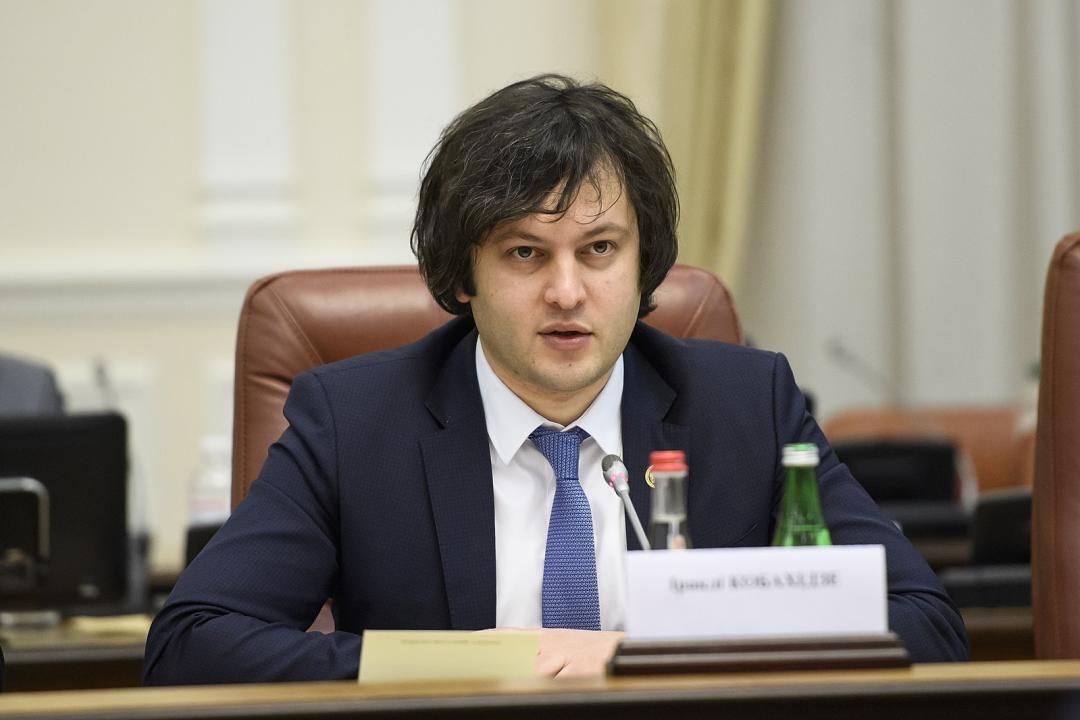
On December 4, Georgian Prime Minister Irakli Kobakhidze addressed the political crisis, commenting on recent protests and opposition activities.
He condemned what he described as violent actions undermining Georgia’s interests and disrupting business activities, asserting that such efforts were bound to fail. Kobakhidze criticized the lack of condemnation for the violence by international entities, particularly EU and US diplomats, accusing them of encouraging further aggression through their silence.
Kobakhidze lamented the international community's failure to denounce the brutality in Tbilisi, describing it as hypocritical and indicative of double standards. He accused the opposition and radical NGOs of inciting violence while avoiding accountability. Furthermore, he criticized the politicization of schools, calling it immoral and labeling it a form of "liberal fascism."
Regarding the legitimacy of Georgia’s elections, Kobakhidze cited recognition from the OSCE/ODIHR and the Constitutional Court, dismissing opposition claims of election fraud as baseless. He criticized international bodies for their passive response to the violence, accusing certain EU and US entities of complicity.
The Prime Minister expressed concern about the influence of the outgoing US administration on Georgia’s affairs, particularly on the current US Embassy and Ambassador Robin Dunnigan. He suggested that the Ambassador was unable to resist this influence but expressed hope for change under the new US administration taking office in January.
Kobakhidze concluded by thanking Interior Minister Vakhtang Gomelauri and law enforcement for their actions during the unrest. He also noted that opposition figures Papuna Janelidze and Tina Khidasheli had backed out of a planned public debate, which he interpreted as an admission that the truth favored the government. Kobakhidze accused the opposition of deliberately avoiding public discussions, exposing what he described as the lack of substance in their arguments.