
Pashinyan Highlights Armenia’s Peace with Azerbaijan, Democratic Reforms, And Expanding International Relations at UNGA
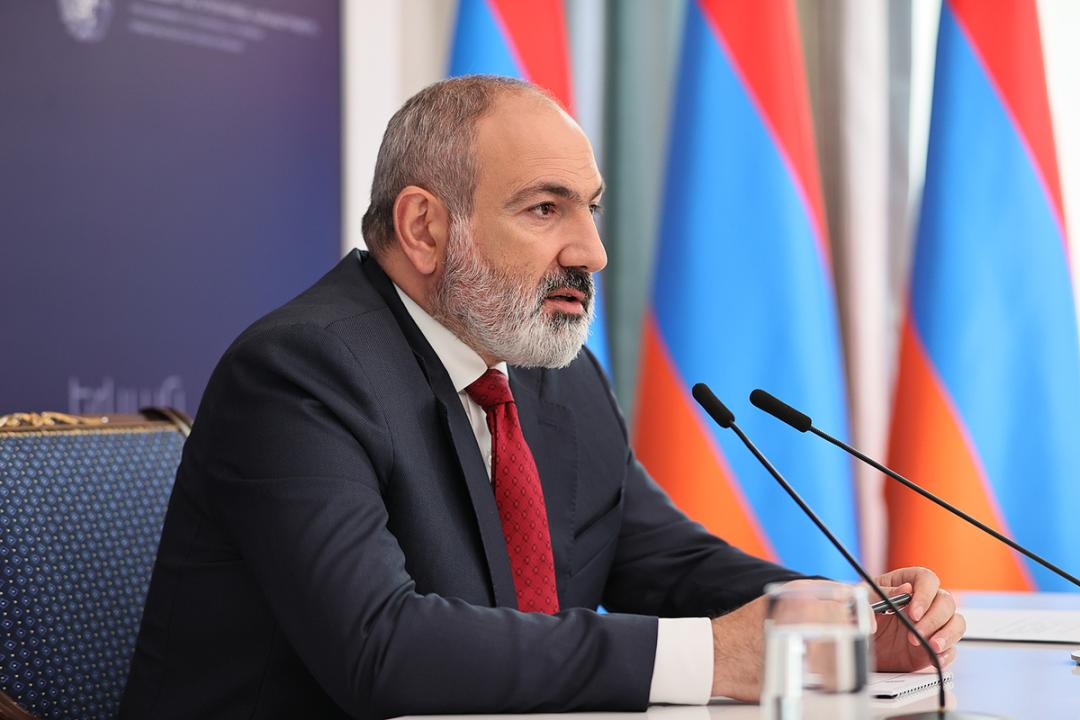
On September 27, Armenian Prime Minister Nikol Pashinyan highlighted Armenia’s peace initiatives with Azerbaijan, regional cooperation, domestic reforms, and expanding international relations during the 80th UN General Assembly. Pashinyan stated that the primary focus of speeches by Armenian leaders at the UN had historically been the conflict with Azerbaijan, and he highlighted Armenia’s recent shift toward promoting peace. He noted that in his 2022 speech, he first spoke not of conflict but of peace, despite uncertainties at the time, when over 12 kilometers of the Armenia-Azerbaijan border had already been demarcated and joint commission regulations signed by both countries’ deputy prime ministers. He highlighted that these regulations were ratified by both Armenia and Azerbaijan, marking the first bilateral international document between the two states and referencing the 1991 Alma-Ata Declaration as the basis for border demarcation.
He emphasized that in March 2025, Armenia and Azerbaijan agreed on a draft peace and interstate relations agreement, confirming their recognition of each other’s sovereignty, territorial integrity, inviolability of borders, and political independence, with territories corresponding to the former Armenian and Azerbaijan Soviet Socialist Republics. Pashinyan noted that this agreement was initialed on August 8, 2025, in Washington, DC, by the foreign ministers of both countries in the presence of US President Donald Trump. The meeting culminated in a Declaration recognizing the need to move beyond past conflict, ensuring the inviolability of international borders, and a rejection of revenge.
The Prime Minister underscored that the Declaration included commitments to open communications for bilateral and international transportation, promoting peace, stability, and prosperity, including unimpeded connectivity between mainland Azerbaijan and the Nakhchivan Autonomous Republic through Armenia, with reciprocal benefits for Armenia. He detailed the "Trump Route for International Peace and Prosperity" (TRIPP) project, emphasizing that implementing these agreements requires a pro-peace and legitimate narrative. He noted that terms such as the "Zangezur Corridor" used by Azerbaijan were not part of the agreements and could be misinterpreted as territorial claims.
Pashinyan highlighted that Armenia’s democratic development, respect for sovereignty, and promotion of peace form the foundation for implementing the agreements. This includes the TRIPP route infrastructure project encompassing railways, highways, pipelines, and electricity transmission lines, connecting East and West and linking the North to the South as part of the "Crossroads of Peace" program, in cooperation with the United States. He stressed that the opening of communications must respect state sovereignty and international standards, including modern border and customs controls, and noted the importance of progress in Armenia-Turkey relations toward establishing diplomatic ties and opening the border.
The Prime Minister also underscored Armenia’s expanding diplomatic relations, including new ties with Saudi Arabia and Pakistan; strengthened relations with Iran, Georgia, China, India, Japan, Mongolia, the Middle East, and Central Asian countries; as well as participation in the 3+3 regional format, noting that a balanced foreign policy opens new horizons for Armenia. Pashinyan highlighted domestic reforms, including the adoption of the law initiating Armenia’s EU accession process, emphasizing that EU membership is a democratic choice and requires compliance with European standards. He announced plans to hold a nationwide referendum on a new constitution after the 2026 parliamentary elections to link all branches of government to the people, ensuring lasting, people-centered statehood. Looking ahead, Pashinyan invited heads of state to the 8th Summit of the European Political Community in Yerevan in May 2026 and to the 17th Conference of the Parties to the UN Convention on Biological Diversity in October 2026. He concluded by reaffirming Armenia’s commitment to the peace agenda with Azerbaijan, stressing that with regional and international support, Armenia would remain firmly on the path of peace. "Long live dialogue, long live diplomacy, long live peace!" Pashinyan concluded.
Meetings with Guterres and Sinirlioğlu
On September 27, within the framework of the 80th UN General Assembly session, Nikol Pashinyan, Prime Minister of the Republic of Armenia, held meetings with OSCE Secretary General Feridun Sinirlioğlu and UN Secretary-General António Guterres. During the meeting with Sinirlioğlu, the interlocutors discussed cooperation between the Armenian government and the OSCE, emphasizing the importance of establishing peace between Armenia and Azerbaijan and promoting regional cooperation. They noted that active bilateral collaboration supports the development of democratic institutions in Armenia, strengthens human rights protection, and fosters regional peace and mutual trust. The discussion also covered other regional and international agenda issues. In the meeting with Guterres in New York, Pashinyan and the UN Secretary-General highlighted the significance of the August 8 initialing of the peace agreement between Armenia and Azerbaijan, expressing confidence that it will enhance stability and regional cooperation in the South Caucasus. They also discussed the upcoming 17th Conference of the Parties to the UN Convention on Biological Diversity, scheduled to be held in Armenia from October 18 to 30, 2026, alongside other matters of mutual interest.