
Pashinyan Links Legitimacy, Military Reform, and Peace to Armenia’s Security
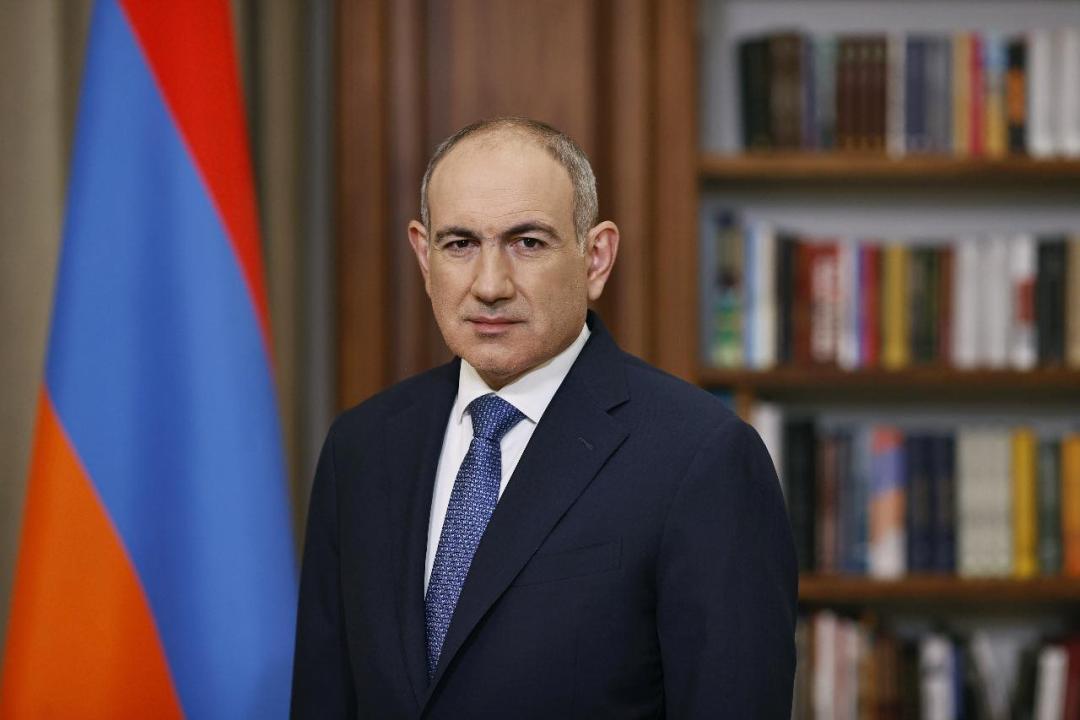
On September 15, Nikol Pashinyan, the Prime Minister of Armenia, delivered a keynote address at the international conference "Comprehensive Security and Resilience 2025," emphasizing the critical importance of cohesion and a clear understanding of security and its purpose.
During his speech, Pashinyan highlighted that security is the process of reducing vulnerability, noting that absolute invulnerability is impossible. He reflected on Armenia's past reliance on military-political alliances and the army, stating that these instruments had failed in previous crises, particularly regarding the CSTO’s response to territorial integrity issues in May 2021 and September 2022. He explained that these events prompted Armenia to confront fundamental questions about the recognition of its own territorial integrity and that of its neighbors.
Pashinyan emphasized that legitimacy has become one of the main instruments of Armenia’s security strategy. He outlined that Armenia and Azerbaijan reached a political agreement in Prague to recognize each other’s territorial integrity and sovereignty based on the Alma-Ata Declaration, describing this as a turning point that allowed legitimacy to function as a security tool. He explained that this strategy defined Armenia’s internationally recognized territory of 29,743 square kilometers as inviolable and linked its army reforms to this framework.
Regarding the military, Pashinyan stated that the Armenian army’s sole task is to defend the internationally recognized territory of Armenia, emphasizing the defensive nature of the force. He noted that the strategy of legitimacy had expanded Armenia’s access to arms procurement markets, which had previously been restricted.
Pashinyan also discussed broader governance and reform issues, stressing the need for slow, continuous reform and criticizing urban planning approaches, including unauthorized construction and symbolic acts that could provoke conflicts, likely referencing the Mount Ararat imagery on state symbols. He stressed that state decisions should prioritize long-term security within legitimate borders rather than seeking short-term approval.
On peace and diplomacy, Pashinyan stated that the Armenian people are the authors of the peace agenda, underscoring that the government’s stability stems from politicizing content that originates from the public. He highlighted the "Crossroads of Peace" project (not "Trump Route") as a factor promoting peace by lifting blockades for both Armenia and Azerbaijan and emphasized that peace is the ultimate security guarantee.
The Prime Minister also addressed occupied territories, stressing that Armenia must acknowledge current realities under the Alma-Ata Declaration to ensure lasting peace. Regarding the army, he reiterated that all personnel must align with the Cabinet’s strategy, emphasizing ideological clarity and conceptual understanding to prevent disorder or misuse of military power.
Finally, Pashinyan linked security, legitimacy, and strategic vision to ongoing domestic reforms, including education programs such as "300 Schools" and plans for "500 Kindergartens" (not "1000 Schools"), and underscored that Armenia is now independent, sovereign, and secure as never before.