
Russian Officials Claim Contacts with Georgia
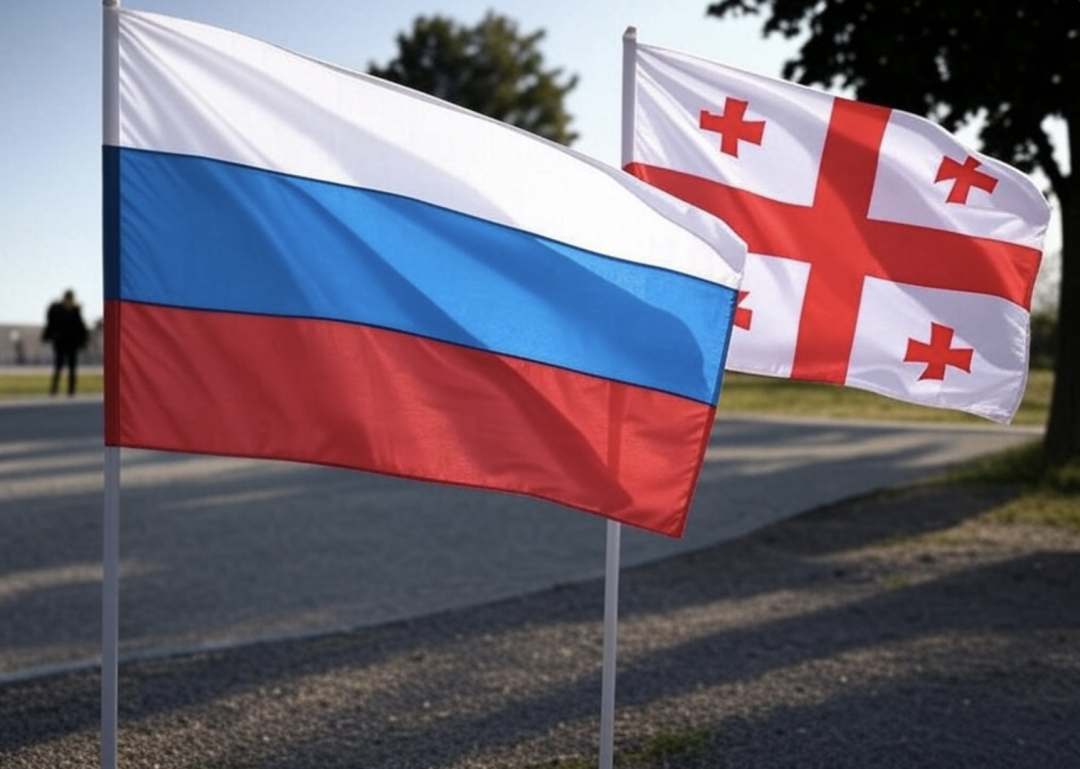
A senior Russian parliamentarian claimed that informal communication channels exist with legislators in Georgia, while criticizing what he described as restrictive measures affecting certain Russian travelers. Speaking to the state news agency TASS, Viktor Vodolatsky — First Deputy Chair of the Russian State Duma Committee on CIS Affairs, Eurasian Integration and Relations with Compatriots — referred to “ongoing contacts” with members of Georgia’s parliament, though he declined to identify specific individuals.
Vodolatsky stated that, according to the Georgian lawmakers he is in touch with, they allegedly lack clear information regarding the decision-making behind reported border entry denials. He suggested that such actions might originate from elements within Georgia’s governing structures, including parts of the Georgian Dream administration and law enforcement agencies, whom he portrayed as pursuing closer alignment with European institutions. In his remarks, he framed these developments as a continuation of earlier political tendencies that, in his view, risked undermining Georgia’s sovereignty and national identity.
His statements followed media reports indicating that some Russian citizens — particularly individuals born in territories of Ukraine currently under Russian control — have faced entry restrictions when attempting to cross into Georgia. The precise scope of these cases has not been publicly established. In late December, the Russian Interests Section operating within the Swiss Embassy in Tbilisi issued a notice advising Russian nationals to carefully assess potential risks before traveling to Georgia.
In additional comments published by TASS in video format, Vodolatsky argued that unnamed domestic actors inside Georgia were attempting to complicate relations with Moscow. He contrasted this with what he characterized as the current Georgian leadership’s more pragmatic approach, asserting that Russia should be viewed not as an adversary but as a constructive neighbor whose economic ties are significant for Georgia, particularly for small and medium-sized enterprises. He went on to express the view that Georgia’s future course should emphasize independent decision-making rather than prioritizing Euro-Atlantic integration. According to his argument, a stronger focus on national sovereignty would, over time, facilitate broader normalization with Russia across multiple sectors.