
World Bank Approves $8.24 Million Caspian Sea Environmental Project
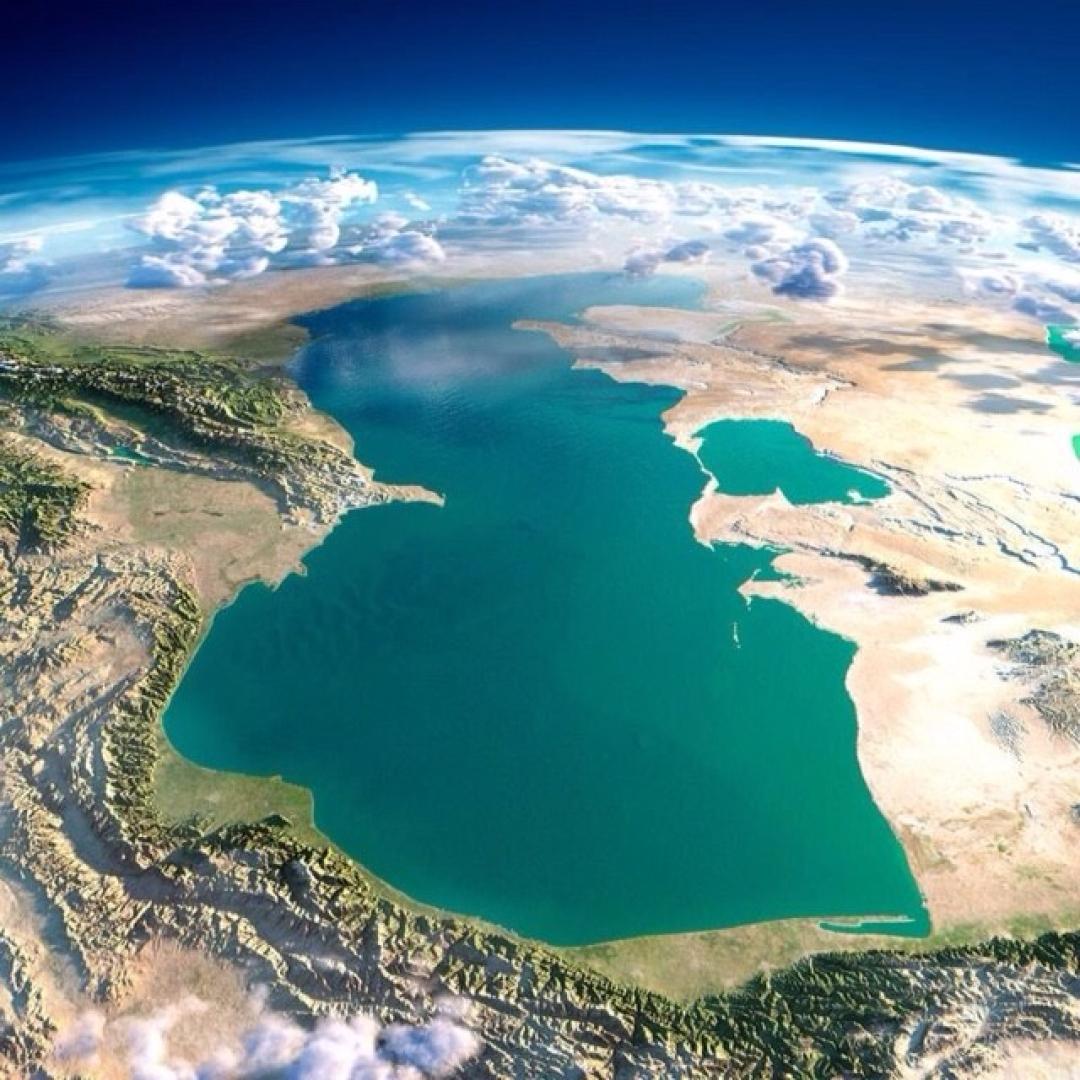
On April 13, the Board of Directors of the World Bank (WB) approved an $8.24 million funding package for the implementation of the project "Blueing the Caspian Sea: Building Capacities for Pollution Management and Biodiversity Conservation". Azerbaijan, Kazakhstan, and Turkmenistan are the beneficiaries of this financing, while an additional $11.74 million grant will be provided by the Global Environment Facility (GEF). The five-year initiative will be coordinated by the United Nations Environment Programme (UNEP). Furthermore, the United Nations Office for Project Services (UNOPS) has been allocated $183,489 from GEF resources to develop Environmental and Social Framework (ESF) tools and promote cross-country cooperation.
The WB funding is divided into two principal components. Of the total, $3.15 million is designated for pollution monitoring management, focusing on the development of systematic approaches and harmonized assessments of water quality. Another $4.25 million will support biodiversity planning management, aimed at strengthening protected area governance and improving the monitoring of species populations. Overall, the project seeks to enhance pollution control systems and increase the effectiveness of marine protected area management across key regions of the Caspian Sea.
The Caspian Sea, the largest enclosed body of water in the world, contains around 44% of global inland waters and is bordered by Azerbaijan, Iran, Kazakhstan, Russia, and Turkmenistan. The WB emphasized that the ecosystem is unique, hosting nearly 400 endemic species, with its long isolation from the world ocean contributing to its rich biodiversity. However, in recent decades, water levels have declined significantly, and projections indicate a potential drop of 8 to 30 meters by 2100 due to climate change and intensive economic use of water resources.
Within the first component, priority actions will target national-level areas that have the greatest environmental impact on the Caspian basin. These include monitoring pollution from freshwater inflows such as river basins and runoff, strengthening oversight of coastal and marine pollution within Marine Protected Areas (MPAs) and nature reserves, and addressing contamination linked to oil and gas exploration and production. At this stage, technical support will be provided to establish cooperation mechanisms between state institutions and the energy sector, with the aim of applying international best practices and utilizing industrial environmental monitoring data.
In Azerbaijan, the initiative will assist the Department of Environmental Policy under the Ministry of Ecology and Natural Resources in designing a marine pollution monitoring framework. Planned measures include assessing current practices, supporting the development of monitoring systems, organizing a national seminar, and preparing relevant policy instruments. Training programs for ministry personnel will also be conducted, with particular attention to pollutants affecting marine protected zones and river estuaries.
The second component focuses on key species, including Caspian seals and sturgeon, with the goal of improving protected area management and biodiversity data collection. It aims to shift from advisory-level assessments to more systematic reporting on population status. In Azerbaijan, the project provides for expansion of marine protected zones within Absheron National Park, with emphasis on flagship species such as the Caspian seal, fish, and waterfowl, the WB noted.