
Azerbaijan And Russia Hold 24th Intergovernmental Commission Meeting in Zangilan
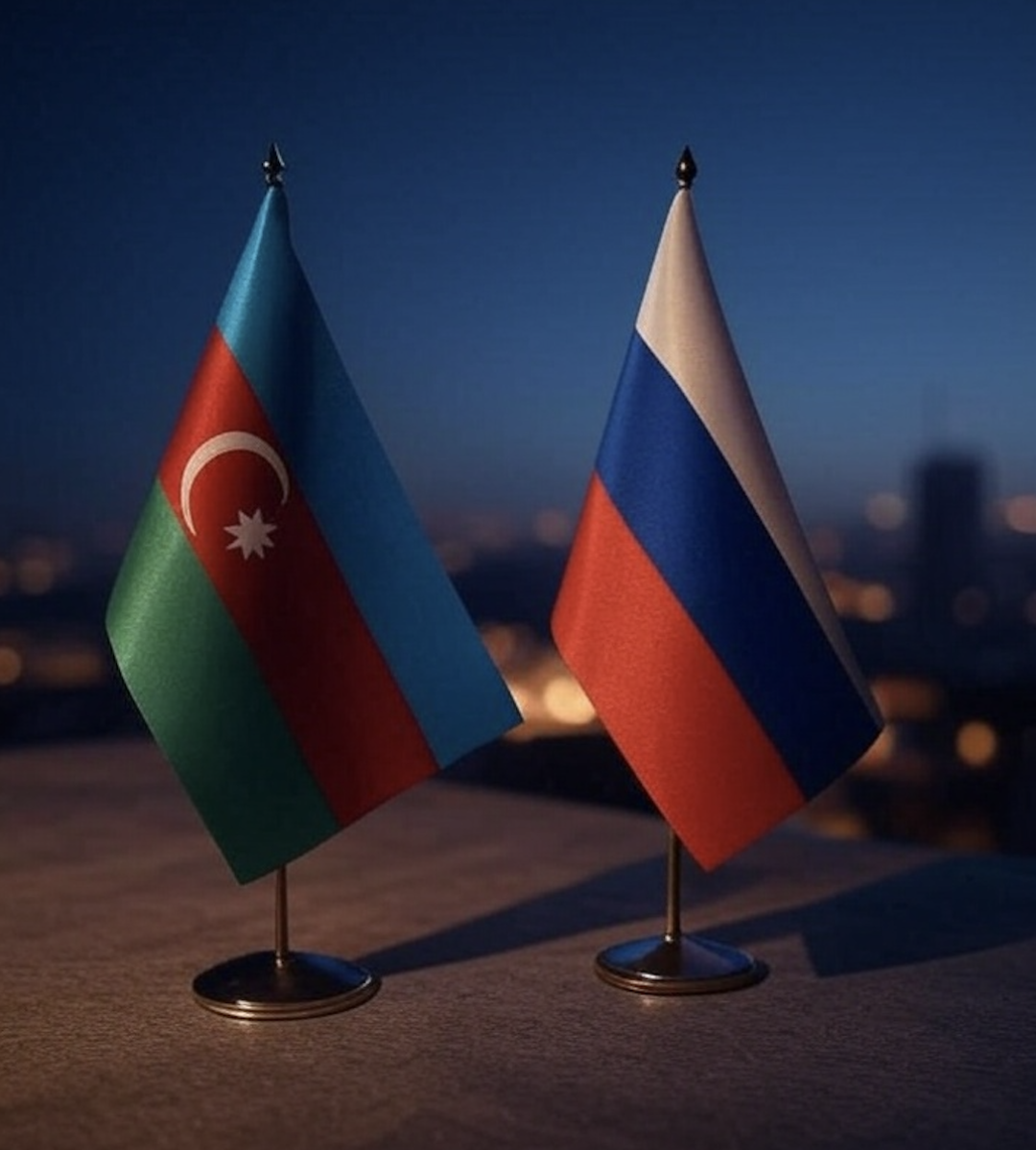
On April 16, the 24th meeting of the Azerbaijan–Russia Intergovernmental Commission on Economic Cooperation was held in Zangilan, Azerbaijan, where Shahin Mustafayev, the Deputy Prime Minister of Azerbaijan, emphasized that the country remains committed to the principles of good neighborliness, mutual understanding, and equal partnership in its relations with Russia.
During the meeting, Mustafayev stated that the presidents of both countries define the strategic direction of bilateral relations and provide the necessary impetus for deepening cooperation across all areas. He emphasized that, "We are confident that our relations will continue to develop in the spirit of friendship, mutual trust, and alliance in line with the 2022 Declaration," adding that the October 9, 2025 meeting between the President of Azerbaijan and the President of Russia in Dushanbe marked a new phase in bilateral cooperation and set future priorities.
Mustafayev also highlighted strong economic ties, noting that in 2025 Azerbaijan’s agricultural exports to Russia exceeded $837 million, with $696 million coming from fruits and vegetables, reflecting a 31% increase compared to the previous year. He added that agricultural products remain a key component of mutual trade, while Azerbaijan imported more than $832 million worth of agricultural goods from Russia in the same period. He further stated that overall trade turnover between the two countries reached $4.9 billion in 2025, with $750 million recorded in the first quarter of 2026.
Mustafayev also stressed the importance of transport connectivity, stating that the North-South international transport corridor has proven its competitiveness and reliability even under complex conditions. He noted that transit volumes along the route increased by 23% in early 2026, including a 61% rise in rail transport and a 13% increase in road transport. He added that Azerbaijan has fully implemented its obligations under the relevant intergovernmental agreement and that restrictions on certain transit routes, including cargo movement from Russia to Armenia via Azerbaijan, have been lifted to strengthen regional trust and connectivity.
He further stated that Azerbaijan and Russia carried out road freight transport exceeding 5.4 million tonnes last year, an increase of around 9%, and announced that a roadmap on the introduction of electronic consignment notes (e-CMR) is expected to be signed, which would significantly improve logistics efficiency and transparency.
Mustafayev also noted that Russia has invested $10.7 billion in Azerbaijan’s economy, while Azerbaijan has invested $1.2 billion in Russia as of April 1, 2026. He added that more than 2,100 Russian-capital companies are registered in Azerbaijan, with over 1,400 actively operating across sectors including industry, agriculture, transport, construction, and services.
Aleksey Overchuk, the Deputy Prime Minister of Russia, emphasized humanitarian cooperation, expressing gratitude to the Azerbaijani leadership and President Ilham Aliyev for support during the evacuation of Russian citizens from Iran and the delivery of humanitarian aid. He stated that more than 500 Russian citizens were evacuated with Azerbaijan’s assistance, alongside the transport of medicines and food supplies, noting that this reflected the high level of bilateral relations.
Overchuk highlighted additional transport initiatives, stating that the North-South corridor remains a strategic priority for Eurasia and that new value chains are forming along the route. He also proposed the development of Caspian cruise transport, calling it a promising area for tourism cooperation, and invited Azerbaijan to join the International Organisation for the Russian Language, whose secretariat began operating in Sochi on April 1.
He further stated that work on the Rasht–Astara railway line is ongoing, describing it as an important component of the broader North-South transport network linking Russia, Iran, and the Baltic and Azov seas. He noted that Russia is interested in expanding railway infrastructure within the corridor and that construction activities would resume once conditions allow.
During the meeting, both sides also discussed the digitalisation of transport processes, including the introduction of electronic consignment notes in international freight transport, and signed a series of documents aimed at expanding trade, encouraging mutual investment, and strengthening economic cooperation across multiple sectors.