
Aliyev Highlights Green Energy Vision And International Partnerships
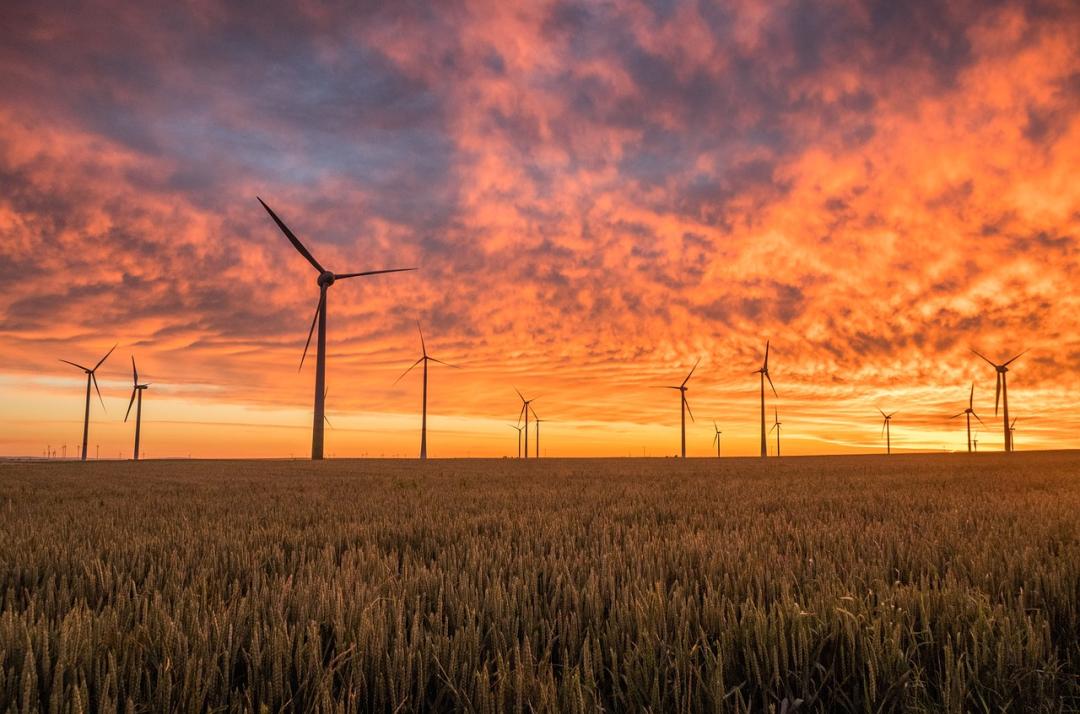
On January 8, the official opening ceremony of the 240-megawatt "Khizi-Absheron" Wind Power Plant, constructed by Saudi Arabia’s ACWA Power, took place at the Gulustan Palace in Baku. Ilham Aliyev, the President of the Republic of Azerbaijan, delivered a speech at the event, stating that the commissioning of the wind power plant marked a milestone for the country’s energy sector, while emphasizing that the new facility would strengthen national energy capacity and contribute to Azerbaijan’s overall development. He recalled that the foundation of the plant had been laid four years earlier, in January 2022, in the same venue, and emphasized that extensive work had been carried out since then to bring the project to completion.
Aliyev expressed his gratitude to all those involved in the construction, highlighting ACWA Power as the principal investor and noting that this was the company’s first renewable energy project in Azerbaijan but not its last. The President stated that the Azerbaijani government fully supported ACWA Power’s broader plans, adding that the company was among the world’s leading firms in renewable energy and was also planning to implement Azerbaijan’s first Caspian Sea desalination project. He further emphasized the role of PowerChina as the general contractor, noting that the company was expected to participate in future projects in Azerbaijan, including as an investor.
Aliyev emphasized the contribution of Azerbaijani energy professionals, stating that the integration of large volumes of renewable energy into the national grid was a complex and demanding task requiring high expertise and significant financial resources. He stressed that the expansion of renewable energy projects in the coming years would require maintaining a consistently high professional standard. He noted that Azerbaijan’s energy system had undergone comprehensive modernization over the past two decades, with generation capacity increasing nearly threefold to reach approximately 10,000 megawatts, which he described as a historic record. He emphasized that new renewable projects would further raise this figure, allowing Azerbaijan both to meet domestic demand and to expand electricity exports.
Aliyev emphasized that conventional and renewable energy generation had to develop in parallel, recalling the commissioning of a nearly 2,000-megawatt conventional power plant in Mingachevir and the recent launch of a 230-megawatt solar power plant. He stated that, alongside the Khizi-Absheron wind facility, three solar power plants with a combined capacity of 340 megawatts were under construction in the liberated Jabrayil district. The President added that renewable energy projects were being developed across the country, including in Garadagh, Khizi, Absheron, and the liberated territories, with future plants planned in Bilasuvar, Neftchala, and Nakhchivan. He emphasized Azerbaijan’s geographical advantages and highlighted the Caspian Sea’s wind energy potential, which international estimates place at 157 gigawatts.
Aliyev invited foreign and local investors to participate in renewable energy and energy-intensive sectors, including artificial intelligence and data centers, emphasizing Azerbaijan’s favorable investment climate. He stated that more than USD 300 billion in foreign investment had been attracted, that the country’s credit rating had reached investment grade, and that foreign debt stood at just over six percent of GDP, while foreign exchange reserves exceeded foreign debt many times over. He announced that Azerbaijan was establishing its first Battery Energy Storage System, with an initial 250-megawatt project implemented by Azerenerji, and emphasized that additional storage systems would be needed as renewable capacity expanded. He stated that by 2030, wind and solar plants totaling 6 gigawatts were planned, increasing to 8 gigawatts by 2032, alongside continued development of hydroelectric power in Garabagh and East Zangezur.
Aliyev emphasized that Azerbaijan guaranteed the protection of foreign investment, stating that the country had maintained absolute stability in contractual obligations and that "our word is as trustworthy and binding as our signature". He underscored that Azerbaijan had established itself as a reliable partner contributing to the energy security of many countries through exports of oil, gas, electricity, and petrochemical products.
Nasser Al-Qahtani, the Assistant Minister of Energy for Electricity Affairs of the Kingdom of Saudi Arabia, stated that the "Khizi-Absheron" Wind Power Plant symbolized the strength of the long-term strategic partnership between Saudi Arabia and Azerbaijan. He emphasized that cooperation extended beyond individual projects to system-level collaboration, including wind expansion, battery storage, grid integration, and regional interconnection initiatives such as the "green corridor".
Lu Mei, the Ambassador of the People’s Republic of China to Azerbaijan, stated that the project represented a successful example of trilateral cooperation between China, Azerbaijan, and Saudi Arabia. She emphasized China’s support for Azerbaijan’s green transition, highlighted bilateral strategic partnership developments, and stated that the project was the largest wind power facility in Azerbaijan and the Caucasus, expected to supply electricity to more than 300,000 households and reduce carbon emissions by 400,000 tons annually.
Mohammad Abunayyan, the Founder and Chairman of the Board of Directors of ACWA Power, emphasized Azerbaijan’s leadership and vision in advancing green energy and stated that the investment environment created under President Aliyev had enabled successful project implementation despite global challenges. He emphasized ACWA Power’s long-term commitment to Azerbaijan, including future renewable energy and desalination projects in the Caspian Sea.