
Armenia and Azerbaijan Clash Over OIC Istanbul Declaration and Regional Narratives
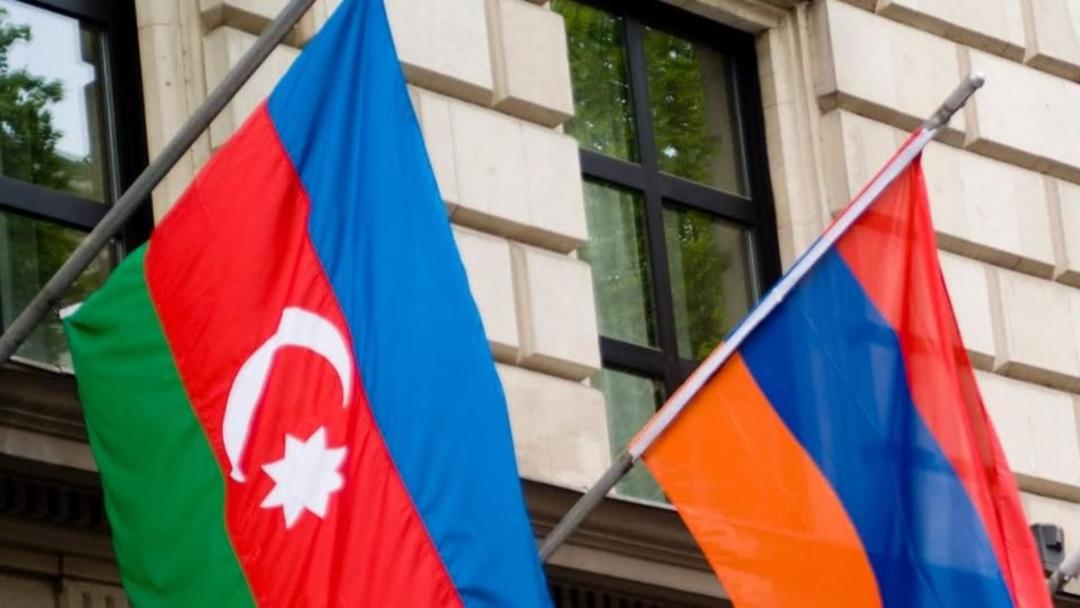
On June 23, 2025, the Armenian Foreign Ministry expressed deep disappointment over the “Istanbul Declaration” and resolutions adopted at Azerbaijan’s initiative within the Organization of Islamic Cooperation (OIC). On the same day, Aykhan Hajizada, Spokesperson for the Azerbaijani Foreign Ministry, firmly rejected Armenia’s statement, accusing Yerevan of distorting historical facts and obstructing the peace process.
In its statement, the Armenian Foreign Ministry condemned what it described as distorted and one-sided formulations in the declaration and OIC resolutions, emphasizing that these undermine efforts to establish lasting peace in the region. The ministry specifically criticized the narrative of “Western Azerbaijan,” labeling it a thinly veiled territorial claim against Armenia’s sovereign territory under the pretext of human rights. It clarified that “Western Azerbaijan” historically refers to Azerbaijan’s own western regions, such as Qazakh, Tovuz, Aghstafa, Gadabay, Dashkasan, Kalbajar, Lachin, Gubadli, Zangilan, and Nakhchivan, stating, “There is no such place as ‘Western Azerbaijan’ on the territory of the Republic of Armenia—nor can there be.”
The ministry further claimed that Azerbaijanis who lived in Soviet Armenia left voluntarily in the final years of the USSR, selling, exchanging, or receiving compensation for their properties, in stark contrast to the violent displacement and massacres of Armenians in Baku, Sumgait, and elsewhere in Azerbaijan. It highlighted the forced displacement of over 115,000 Armenians from Nagorno-Karabakh in September 2023 as the latest example of ethnic cleansing, accusing the OIC of indirectly encouraging such behavior and misrepresenting the Khojaly events.
The Armenian side expressed regret that the declaration contradicted earlier OIC statements supporting peace efforts between Armenia and Azerbaijan. It reaffirmed Armenia’s readiness to sign a peace agreement without delay and urged OIC members to call on Azerbaijan to refrain from artificial obstacles. Additionally, the ministry condemned a resolution on cultural heritage protection, arguing it ignored the destruction of Armenian sites in territories controlled by Azerbaijan while framing the issue with a religious slant. The ministry concluded by calling on OIC members to reject biased initiatives that undermine Armenia’s territorial integrity and peace prospects in the South Caucasus.
Responding on the same day, Aykhan Hajizada dismissed Armenia’s statement as baseless and accused Yerevan of misrepresenting the OIC documents and falsifying historical facts. Hajizada asserted that the OIC resolutions, including one titled “The Right of Return of Azerbaijanis Forcibly and Systematically Expelled from the Territory of Present-Day Armenia,” reflected historical truth and international legal principles. He emphasized that, contrary to Armenian claims, these expulsions were marked by violence, intimidation, and human rights abuses, and the resolutions seek justice and restoration of rights, not territorial claims.
Hajizada rejected Armenia’s portrayal of the 2023 anti-terror measures, arguing they followed nearly three decades of illegal Armenian occupation that displaced over 700,000 Azerbaijanis and restored Azerbaijan’s sovereignty. He also reaffirmed the OIC’s position on the Khojaly massacre, describing it as an “undeniable truth” and a crime against humanity perpetrated by Armenian forces in 1992, resulting in the deaths of 613 civilians, including women and children. The spokesperson accused Armenia of persistently refusing to accept responsibility for these crimes and for the destruction of Azerbaijani cultural heritage.
Finally, Hajizada criticized Armenia’s claim of commitment to peace as insincere, accusing it of hindering progress and refusing constructive dialogue on key issues. He emphasized that Azerbaijan consistently advocated for a peace agreement based on mutual recognition of territorial integrity and sovereignty. The OIC’s call for Armenia to eliminate obstacles to signing such an agreement, he stated, aligned with the broader expectations of the international community. “We urge Armenia to abandon its revisionist rhetoric and acknowledge its historical responsibilities,” Hajizada concluded.