
Armenia Takes Major Step Toward Deeper EU Security Cooperation
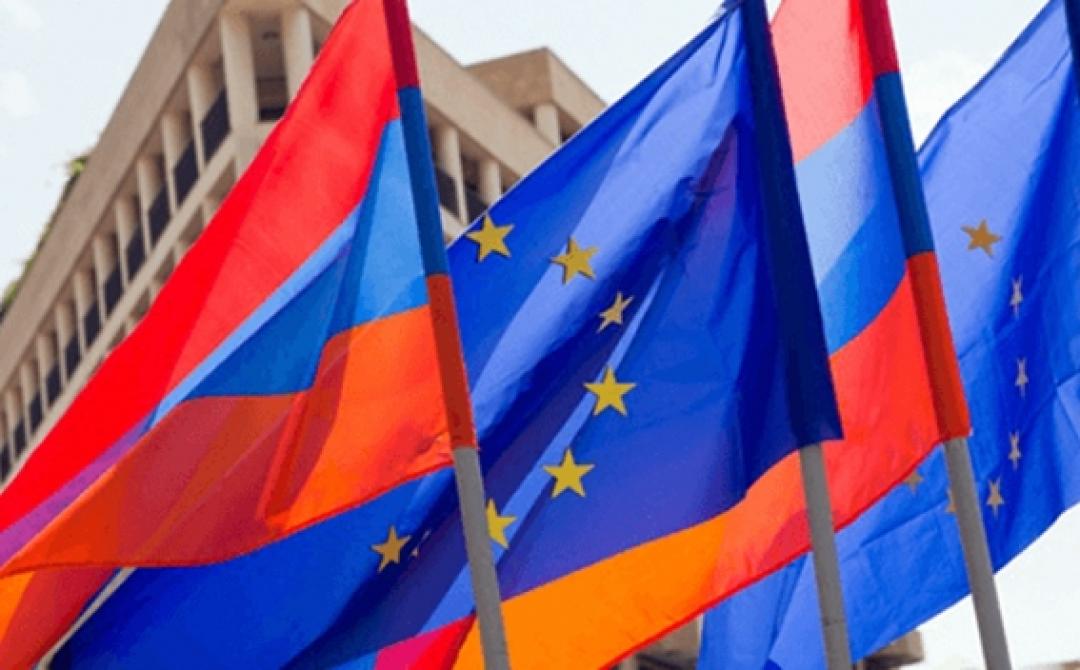
Armenia’s National Assembly ratified the Framework Agreement on the country’s participation in the European Union’s Crisis Management Operations, marking a significant step in the deepening of Armenia-EU security and defense cooperation. The bill passed with 55 votes in favor and 24 abstentions.
Signed on June 30, 2025, the agreement establishes the general legal and procedural conditions for Armenia’s involvement in EU-led crisis management missions. It removes the need to negotiate separate arrangements for each mission and allows Armenia to draw on the EU’s extensive experience and capabilities in crisis management.
Armenia’s Deputy Foreign Minister Vahan Kostanyan, who presented the bill in parliament, highlighted its importance for Armenia’s broader foreign and security policy. He stressed that Armenia-EU security and defense cooperation is expanding steadily, recalling that the EU Monitoring Mission in Armenia (EUMA) was deployed under this framework.
“Armenia wants to be not only a consumer of security but also a contributor to the security efforts of our European partners,” Kostanyan said, noting that the EU currently maintains around 20 civilian and military missions worldwide — either mandated by UN Security Council resolutions or launched at the request of host countries, including Armenia.
Under the framework, the EU will send an official invitation for each mission, after which Armenia will decide whether to participate. Kostanyan said Armenia is already holding informal consultations to identify missions of interest.
Speaking to reporters, he reiterated that Armenia’s initial intention is to engage primarily in civilian missions. Participation in any military mission would require full compliance with Armenia’s constitutional and legal procedures governing the deployment of the Armed Forces.
Responding to questions from MP Artsvik Minasyan (“Armenia” faction), Kostanyan said that Canada, Switzerland, Norway, and others have similar agreements with the EU, including states that, like Armenia, are not EU members. Asked about CSTO parallels and whether parliament must approve military participation in EU missions, Kostanyan explained that the National Assembly does not hold explicit authority over such decisions, which follow executive procedures.
Addressing claims that Armenia could already join EU civilian missions without the agreement, he stressed that a formal framework is necessary: “This fits into the logic of Armenia’s foreign policy — to expand cooperation, including its legal dimension, and to avoid negotiating separate decisions for each mission.”