
Armenia Weighs Partners for Nuclear Power Plant as PM Signals Strategic Shift in Energy
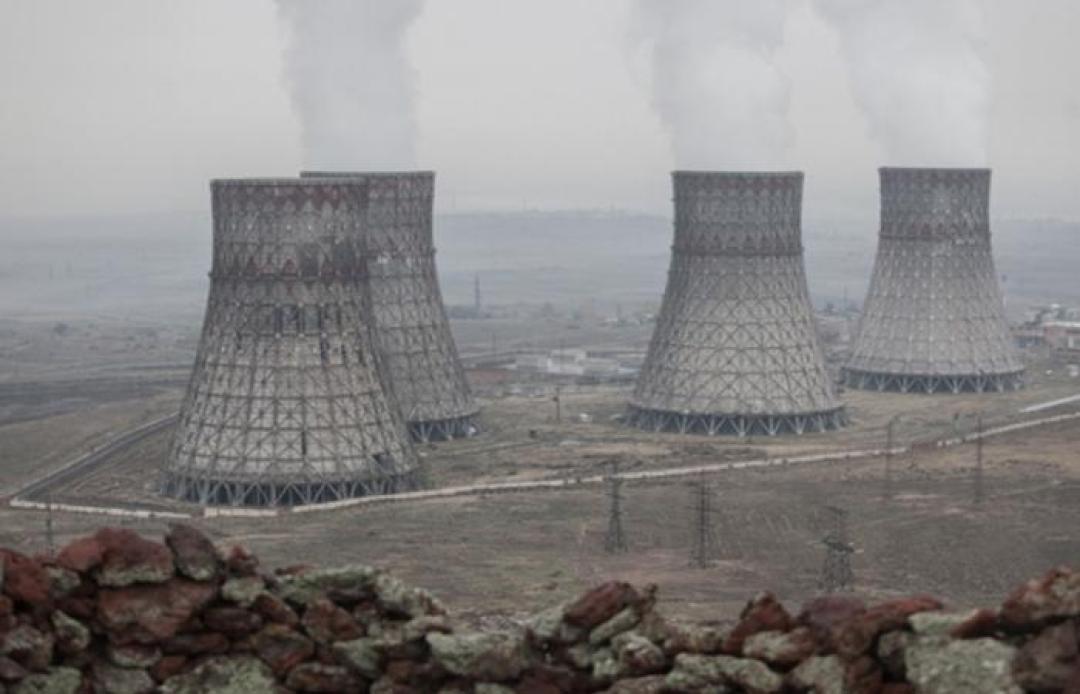
Armenian Prime Minister Nikol Pashinyan said Armenia has not yet selected a partner to build a new modular nuclear power plant intended to replace the aging Metsamor facility, signaling a cautious and strategic approach to one of the country’s most significant infrastructure decisions.
Speaking in Warsaw, Pashinyan emphasized that Armenia’s energy landscape is rapidly changing due to the expansion of renewable energy. “Renewable energy is opening new opportunities for our country. Solar energy is developing rapidly in Armenia,” he said.
He noted a major shift in the country’s energy balance. “In recent years, we have established solar capacity that exceeds the output of the nuclear power plant by more than double,” he stated.
As a result, Armenia no longer plans to build a large nuclear plant. “Considering these developments, we no longer need a large nuclear power plant,” Pashinyan said, confirming that Armenia intends to pursue a small modular reactor (SMR).
He clarified that discussions are underway with several potential partners, including the United States, Russia, China, South Korea and France. “We are seeking the best option for our country, and this process is ongoing,” he said, stressing that no final decision has been made.
The Metsamor plant’s operational life has been extended until 2036, giving Armenia a limited window to implement its replacement strategy.
Pashinyan’s remarks suggest Armenia’s future nuclear infrastructure will be smaller, more flexible and integrated into an energy mix increasingly dominated by renewables.
Beyond technical considerations, the choice of partner carries geopolitical weight, as Armenia balances relations with Western and non-Western powers while pursuing long-term energy security and modernization.