
Armenian Official Announces New Armenia-Azerbaijan Talks; Comments on Armenia-Russia Relations
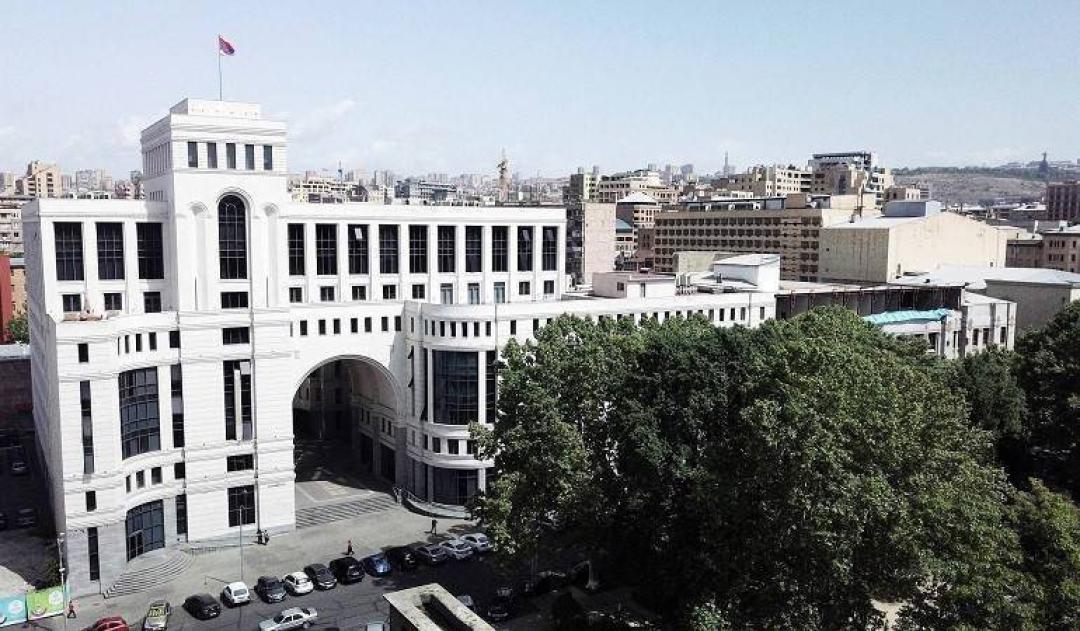
On June 26, Vahan Kostanyan, the Deputy Minister of Foreign Affairs of Armenia, announced that Armenian Prime Minister Nikol Pashinyan and Turkish President Recep Tayyip Erdogan had discussed a draft document on normalizing Armenia-Azerbaijan relations and unblocking regional transport links.
During the briefing, Kostanyan stated that both sides recognized the significance of reopening regional communications—including railways and other routes—for the mutual benefit of Armenia and Turkey. He noted Turkey’s interest in improving ties with Central Asia and emphasized that, for landlocked Armenia, open borders are a matter of survival, especially as recent geopolitical developments had closed almost all of Armenia’s frontiers. Kostanyan underlined that Armenia’s "Crossroads of the World" initiative was presented constructively and, according to him, viewed positively by the Turkish side.
The deputy minister also confirmed that new talks between Armenia and Azerbaijan might be held soon. Referencing the leaders’ last meeting in Tirana, Kostanyan stated that Armenia remained ready to sign a peace treaty and welcomed further dialogue. He reaffirmed that, for Yerevan, any reopened transport routes must remain under Armenia’s jurisdiction and full sovereignty.
Responding to a question about Turkey’s potential role in encouraging Azerbaijan toward constructive negotiations, Kostanyan remarked, "It is in the vital interests of the Turkish side to open communications in our region," adding that Armenia regularly communicates this position both publicly and in closed sessions.
Kostanyan criticized a recent resolution by the Organization of Islamic Cooperation referring to the "return of Azerbaijanis to Western Azerbaijan," declaring that such moves hindered the Armenia-Azerbaijan normalization process. He added that ongoing discussions with OIC member states revealed that some did not officially endorse these formulations.
Dismissing claims that Erdogan had raised the issue of resettling Azerbaijanis in Armenia during his meeting with Pashinyan, Kostanyan labeled such reports as baseless.
Addressing recent remarks by Russian Foreign Ministry spokesperson Maria Zakharova, Kostanyan avoided direct comment but noted that, despite disagreements, Armenia and Russia maintained friendly and allied relations. Referring to an ancient quote, he remarked, "It seems our Russian colleagues, having failed to find a fulcrum in Russia, are seeking other places," adding that while discussions between allies were possible, some matters remained undesirable.
On Armenia’s strained relationship with the Collective Security Treaty Organization (CSTO), Kostanyan reiterated that Armenia, as a sovereign country, independently determined its foreign policy. He declared that Armenia had openly communicated its unwillingness to remain in the CSTO for long if its partners, including Russia, failed to issue the necessary political statements following attacks on Armenian sovereign territory. When asked whether this position made Armenia vulnerable, Kostanyan retorted, "Do you think that membership in the CSTO has made us less vulnerable?"