
Armenian Opposition Claims Massive Truck Turnbacks at Russian Border; Armenian Economy Minister Denies
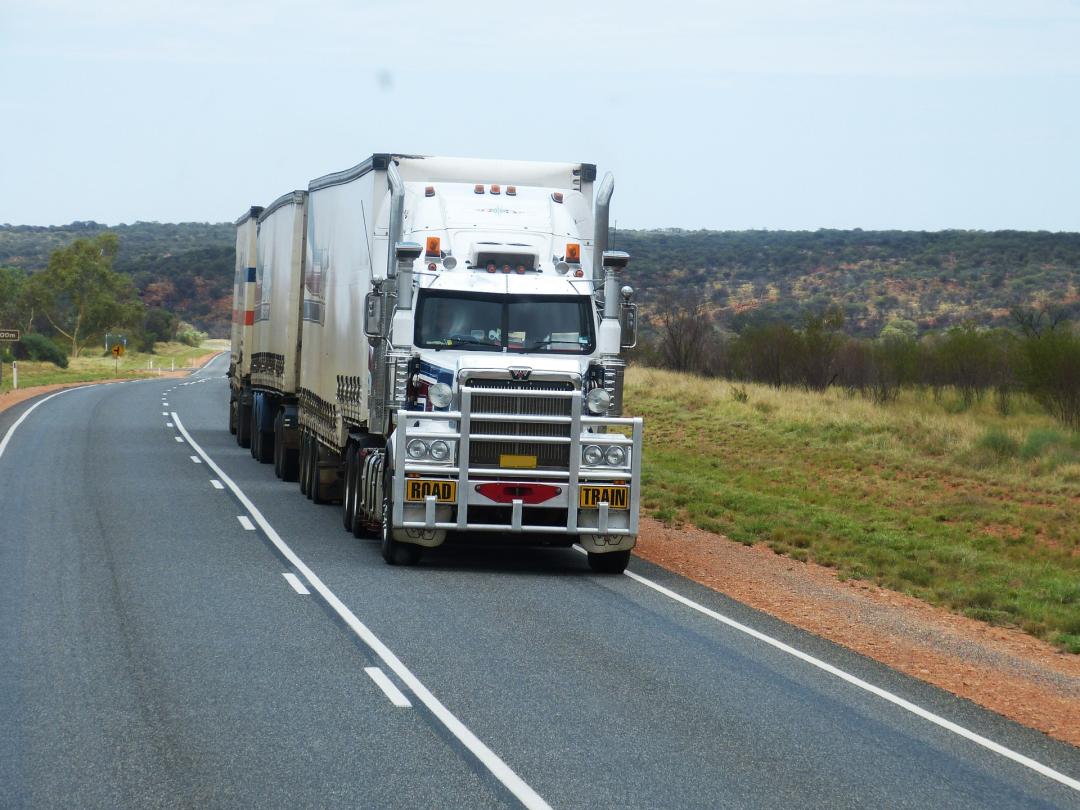
On August 24, Garnik Danielyan, an Armenian opposition MP, stated that hundreds of trucks carrying agricultural products were forced to return to Armenia from the Russian border. Danielyan emphasized that the trucks first traveled from Armenia through Georgia and then reached the Russian border, where they were turned back. He noted that the vehicles carried tons of plums, peaches, and grapes, and their owners and recipients would suffer heavy losses. Trucks transporting construction materials were also reportedly turned back, which Danielyan described as uncharacteristic for the sector. He suggested the issue might be linked to customs or border regulation violations.
On August 25, Gevorg Papoyan, the Armenian Economy Minister, denied Danielyan’s statement, stressing that "hundreds of trucks with fruit" were not turned back by Russia. Papoyan wrote on social media that in August, 2,427 trucks carrying Armenian exports entered Russia, averaging more than 101 vehicles daily. He detailed that these included 610 trucks with beverages, 447 with fruit, 315 with vegetables, 234 with perlite sand, 141 with plants, 84 with processed fruits and vegetables, 75 with stone and plaster goods, 68 with fish, 79 with electrical appliances, 21 with cigarettes, 19 with dairy products, and 16 with knitwear.
The minister underlined that heavy-duty trucks carrying Armenian goods did not face difficulties entering Russia through the Upper Lars checkpoint on the Georgian border. He clarified that only four trucks returned from Georgia to Armenia without entering Russia, and these carried fruits and vegetables. Danielyan had earlier attributed the alleged return of many trucks to phytosanitary issues and claimed that other vehicles were subjected to long and detailed inspections.