
Caspian Sea Reaches Historic Low Level Amid Environmental Challenges
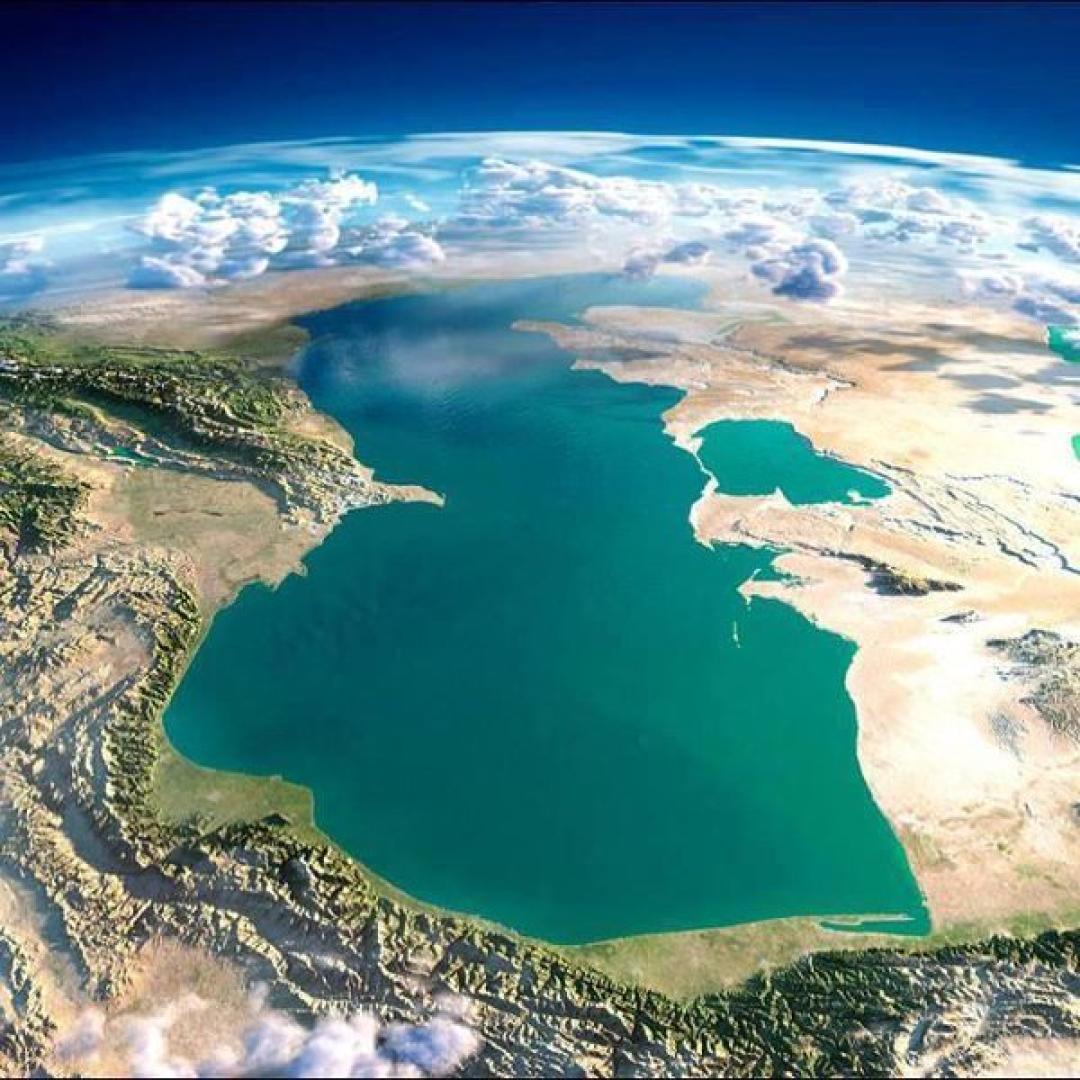
On July 21, the Volga-Caspian branch of the Caspian Research Institute of Fisheries (CRIF) reported that the Caspian Sea level had dropped below minus 29 meters according to the Baltic height system, marking the lowest level recorded in the entire history of observation. CRIF stated that this decline has caused significant environmental changes in the shallow northern part of the Caspian Sea, which borders Russia and Kazakhstan.
According to the institute, the drop in sea level began in the mid-1990s and has accelerated since 2020, with a recorded decrease of nearly 0.8 meters. Experts emphasized that the decrease in the annual flow of the Volga River—the main water source for the Caspian Sea—is a primary contributor to the shallowing. The situation has been exacerbated by rising atmospheric temperatures caused by the increased concentration of greenhouse gases, which leads to accelerated evaporation from the sea and rivers. Furthermore, the report highlighted that human activity, including extensive water use for irrigation, industry, and municipal services, continues to reduce the flow of water into the Caspian Sea.