
Departing U.S. Envoy Reveals Breakdown in U.S.-Georgia Relations
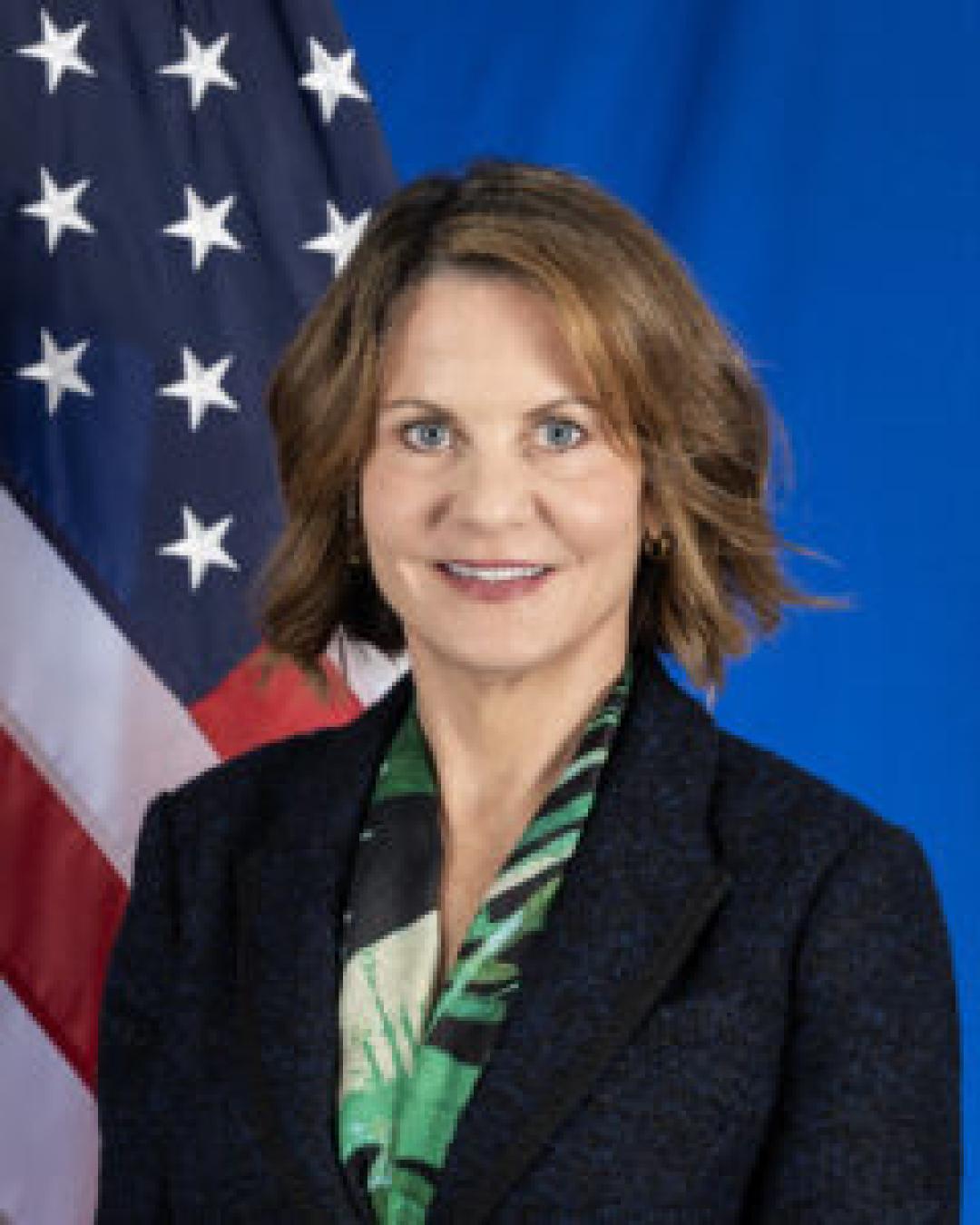
In an interview shortly before her departure, U.S. Ambassador to Georgia Robin Dunnigan disclosed that a private communication sent by the ruling Georgian Dream (GD) party to the Trump administration was perceived in Washington as deeply inappropriate. She described the letter as “insulting,” “threatening,” and “unserious,” noting that it had caused significant concern among U.S. officials.
Ambassador Dunnigan, who announced her retirement earlier this year, said she traveled to Washington early in 2024 to consult with the incoming administration and align on U.S. policy toward Georgia. Following her meetings, she returned to Tbilisi and, on March 14, briefed GD Foreign Minister Maka Botchorishvili on actionable steps that could help recalibrate the strained bilateral relationship.
Just days later, GD sent a letter addressed to the Trump administration through the ambassador. Dunnigan said she would not normally have disclosed the existence or content of the letter but did so only because Prime Minister Irakli Kobakhidze brought it up publicly. The letter, she stated, caused shock in Washington and delayed a response due to its tone and content. "People were genuinely surprised that such a message would come from the leadership of a U.S. partner," she said.
Amid this tense backdrop, GD’s leadership issued an open letter on May 13, appealing directly to Donald Trump and several U.S. politicians. Shortly afterward, Dunnigan informed Kobakhidze that she had been instructed to deliver a formal reply from U.S. Senator Marco Rubio—not to the prime minister, but to GD founder Bidzina Ivanishvili. According to Dunnigan, the message was explicitly meant for Ivanishvili, who declined to receive it. Asked why the U.S. message was addressed to Ivanishvili rather than Georgia’s formal leadership, Dunnigan replied pointedly, "It’s widely understood that Mr. Ivanishvili is the one who makes the decisions."
The U.S. Embassy later confirmed that on May 22, the ambassador sought a meeting with Ivanishvili to deliver the response and reiterate a set of expectations from Washington aimed at improving relations. Ivanishvili refused, citing concerns over alleged U.S. pressure tactics, including sanctions and blackmail—accusations Dunnigan dismissed as baseless.
Addressing the broader political rhetoric, Dunnigan criticized the ruling party for spreading disinformation about the United States. She cited persistent claims from GD officials—including allegations of an attempted revolution, plotting a "second front" against Russia, and her alleged recall from Washington—as entirely fabricated. "It would be easy to begin mending this relationship," she said, "but it requires stopping the false narratives and anti-American messaging." She emphasized that continued misinformation about U.S. policy is undermining Georgia’s credibility and isolating it from its longtime allies.
In her final days as ambassador, Dunnigan reiterated that her departure was a personal decision and not the result of political pressure or disagreement with U.S. policy. "I always represented the president’s and secretary of state’s positions, under both administrations," she said. Despite her departure, Dunnigan said she remains committed to Georgia’s democratic progress and will "keep advocating for this country from across the ocean." However, she expressed growing uncertainty about Georgia’s democratic trajectory under its current leadership.
Dunnigan also challenged GD’s claim that the U.S.-Georgia strategic partnership exists only "on paper." While she acknowledged some early progress during her tenure, Dunnigan said the situation had deteriorated since the beginning of 2024. She cited a pattern of actions by the GD government that alienated key Western partners, hindered Georgia’s EU integration efforts, and tarnished the country’s international image—particularly among investors. She added that the current state of relations between the two countries is "very troubled."
She also suggested that Ivanishvili’s personal interests may be guiding the government’s decisions, including its growing distance from the West and increasing alignment with authoritarian regimes. "It is difficult to explain otherwise," she said, noting his repeated refusals to engage with U.S. diplomats due to his designation under U.S. sanctions.
Regarding the Georgian government’s outreach to Iran and China, Dunnigan expressed deep concern. She referenced a recent incident in which a senior Georgian diplomat attended a memorial at the Iranian Embassy, calling such actions "alarming" and at odds with the values shared by democratic allies.