
Georgia Faces EU Criticism While Leaders Defend Sovereignty and Economic Interests
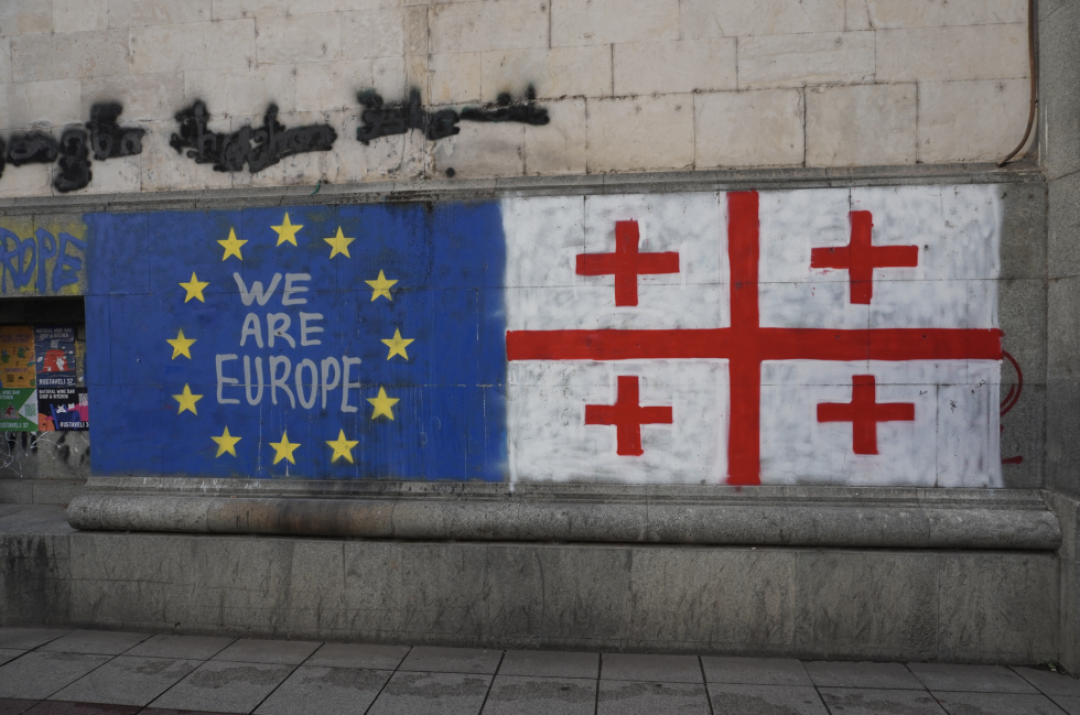
Georgia’s path toward European Union integration remains at a standstill as tensions escalate between Tbilisi and Brussels. While EU officials express deep concern over democracy and the rule of law, Georgian leaders have doubled down on a platform of national sovereignty and pragmatic economic interests. On December 16, Alanna Berset, the Secretary General of the Council of Europe, sidestepped direct comparisons between Georgia’s rhetoric and that of the United States, emphasizing instead the urgent need for Georgia to reconnect with the shared values that unite the continent.
The diplomatic friction was further highlighted by EU Foreign Policy Chief Kaja Kallas, who noted that while certain rhetoric from Washington might be "unpleasant," the United States is not actively seeking EU membership—unlike Georgia. This prompted a sharp response from Shalva Papuashvili, the Speaker of the Georgian Parliament. On social media, Papuashvili questioned whether seeking EU membership required forfeiting the right to an independent opinion, labeling the current atmosphere an "Estonianization" of EU foreign policy.
Prime Minister Irakli Kobakhidze added to the discourse during a December 17 interview, suggesting that the European Union itself is experiencing a regression in democracy, human rights, and economic strength. He stated that if these negative trends continue, they would fundamentally alter the context of Georgia’s accession goals. Kobakhidze attributed the current diplomatic deadlock to a "European bureaucracy" that fails to respect the democratic choices of the Georgian people, though he maintained that the government remains open to "reasonable demands" that align with full membership goals.
On the subject of security, Kobakhidze expressed skepticism regarding Georgia’s near-term prospects for NATO membership. He noted that the alliance appears to be reassessing its "Open Door Policy" in light of the ongoing conflict in Ukraine. The Prime Minister advocated for a pragmatic approach, suggesting that Georgia should "calmly and patiently await developments" rather than forcing an uncertain process.
Regarding economic sanctions, Kobakhidze criticized what he perceives as a double standard, noting that the EU does not demand the same level of alignment from Moldova or Armenia regarding sanctions against Russia and Belarus. He revealed that Georgian authorities calculated in 2022 that imposing such sanctions would trigger at least a ten percent economic decline. Consequently, he argued that there is no practical justification for measures that would severely damage the domestic economy.
However, the EU Enlargement Council paints a much bleaker picture of the relationship. In conclusions published by the EU Delegation to Georgia, the Council declared that the accession process has effectively reached a dead end. The document cited "serious overall regression" in human rights and the rule of law, specifically pointing to repressive legislation and the use of the judiciary as a political tool. The Council emphasized that progress will remain stalled until Tbilisi demonstrates a firm commitment to reversing these trends and implementing the nine required steps for candidate status.