
Georgia Introduces University Reform with Kutaisi Hub, Faculty Reorganization, And Strengthened Academic Staffing
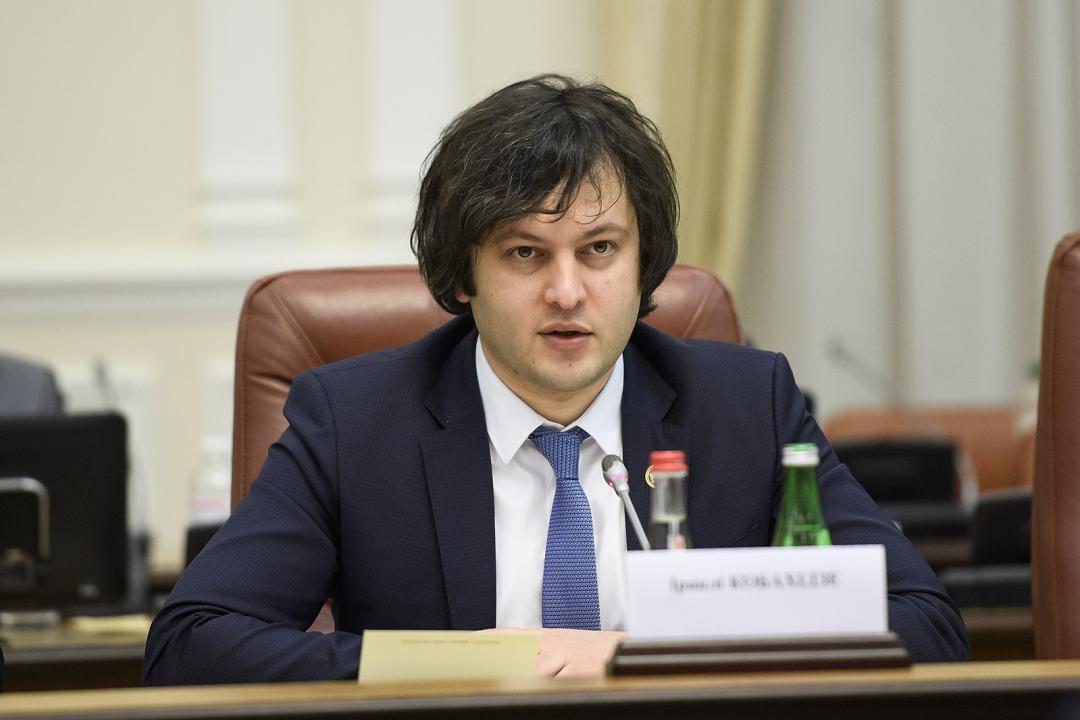
On October 16, Irakli Kobakhidze, the Prime Minister of Georgia, presented the long-awaited concept of university reform. During the presentation, Kobakhidze emphasized that the reform aimed to create a "qualitatively different system of higher education" aligned with modern standards.
Kobakhidze outlined seven key objectives. The first focused on "geographic deconcentration," proposing the establishment of a "second basic university hub" in the western city of Kutaisi, capable of hosting an additional 20,000 students. He further pledged to enhance educational opportunities across regional universities throughout Georgia.
Addressing inefficiency and uneven teaching quality, Kobakhidze introduced the "one city – one faculty" principle , under which each faculty would operate in only one state university per city. "Each faculty will be established in only one state university," he explained, noting that this would require "reorganization and redistribution of faculties among universities".
Turning to the presence of foreign students, Kobakhidze described it as a "problem" for state universities, stressing that these institutions should be "fully oriented toward meeting state objectives". He added that foreign students should be admitted "only in strictly exceptional cases defined by law".
Regarding academic programs, Kobakhidze stated that after conducting an internal analysis, the government decided to shift from the existing 4+2 Bachelor’s and Master’s model to a 3+1 system—three years for Bachelor’s and one for Master’s studies. "Three years are fully sufficient for almost all specialties," he emphasized. He also proposed shortening the general education cycle from 12 to 11 years.
Kobakhidze’s plan also included significant changes to personnel policy. He suggested that full-time professors form the backbone of university faculties, with each department headed by a full professor, supported by 2–3 associate professors and more than 10 assistant professors. He argued that such a structure would enhance academic quality and working conditions, noting that the minimum salary for a full-time professor should be 10,000 Lari (approximately EUR 3,150), excluding additional income from academic work.