
IMF, Fitch, and S&P Paint Picture of Steady Growth, Fiscal Resilience, and Geopolitical Cooperation in South Caucasus
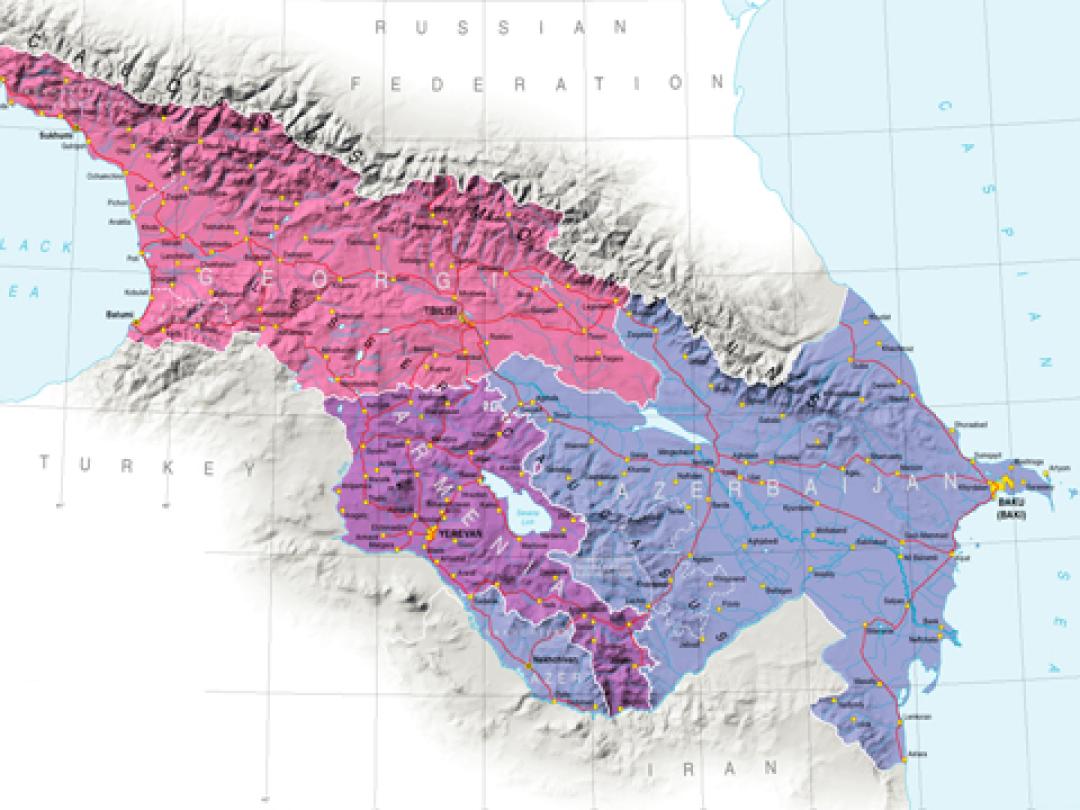
IMF, Fitch Solutions, and S&P Global highlight that Azerbaijan’s economy is expected to grow modestly with hydrocarbon declines offset by non-oil expansion, fiscal and financial stability is being maintained, US-Azerbaijan-Armenia cooperation is expanding, and Armenia’s outlook is improving amid regional normalization efforts.
International Monetary Fund Following her visit to Baku from February 4–17, 2026, Anna Bordon, Head of the International Monetary Fund mission to Azerbaijan, stated that the country’s economy is projected to grow by 2.1% in 2026, reflecting continued weakness in oil and gas output alongside a somewhat stronger expansion in the non-oil sector. She noted that economic growth is expected to stabilize at around 2.5% over the medium term, with average annual growth at that level between 2027 and 2031. According to the projections, hydrocarbon sector GDP will decline by 2% in 2026 and continue decreasing by about 0.5% annually through 2032, while the non-oil sector is forecast to grow by 3.7% in 2026, 3.6% in 2027, and approximately 3.5% per year thereafter. Referring to recent trends, Bordon stated: "In 2025, growth weakened while inflation accelerated. Hydrocarbon output fell significantly, and momentum in the non-oil sector slowed due to the indirect impact of lower oil prices and weaker regional growth. However, the outlook for 2026 is more favorable as non-oil activity gathers pace."
Bordon emphasized that economic diversification remains a top priority, requiring the further expansion of the private sector, the removal of barriers to competition, and the deepening of capital markets. She added that Azerbaijan’s strategic foreign exchange reserves are expected to reach $85.15 billion in 2026. The IMF mission chief also noted that public debt remains sustainable, projected at 20.7% of GDP in 2026.
Fitch Solutions Fitch Solutions anticipates that the Central Bank of Azerbaijan will maintain a cautious monetary policy, gradually reducing its key interest rate to 6.0% by the end of 2026. Average annual inflation is expected to ease to 5.0% in 2026 as global food prices stabilize and domestic supply conditions improve. Analysts also noted that cooperation between Azerbaijan, Armenia, and the United States will continue to expand throughout 2026, positioning Washington as a viable alternative partner to Russia.
The Trans-Regional Infrastructure and Power Project (TRIPP), formalized in January 2026, will be 74% owned by the US. Furthermore, Azerbaijan’s fiscal sustainability is improving, with non-oil revenues expected to constitute over 57% of state budget revenues in 2026.
S&P Global Ratings S&P Global Ratings has upgraded Armenia’s outlook to positive from stable, affirming its ‘BB-/B’ long- and short-term foreign and local currency sovereign credit ratings. The outlook upgrade reflects expectations of an improved geopolitical and security environment due to significant progress in normalizing relations between Armenia and Azerbaijan. The agency forecasts real GDP growth for Armenia at 5.3% this year and 4.8% in 2027.