
Iran Welcomes Armenia-Azerbaijan Peace Deal While Urging Caution Against Foreign Interference
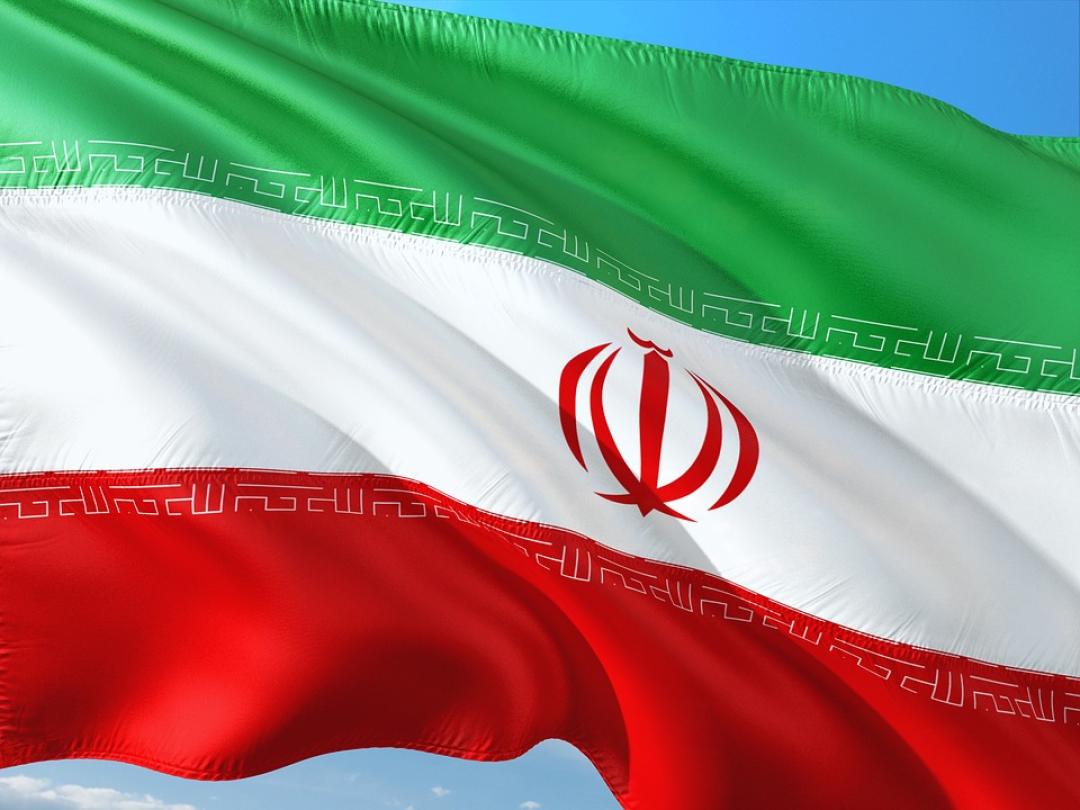
On August 15–17, Iranian officials emphasized their support for peace and stability in the South Caucasus, welcomed the Armenia-Azerbaijan agreement, and warned against foreign interference, particularly from the US, while underscoring the importance of sovereignty and territorial integrity.
On August 15, Iran’s First Vice President Mohammad Reza Aref stressed that Iran supports peace and stability in the region, respects the territorial integrity of all countries, and believes that external involvement could undermine security. Iranian Foreign Minister Abbas Araghchi noted that Armenia had successfully addressed Iran’s concerns regarding sovereignty and red lines, clarifying that the construction of a new "Trump route" is fully under Armenian jurisdiction and managed by a private American company, not a military organization, and that no foreign troops will be deployed. Araghchi reiterated Iran’s stance that regional borders must remain unchanged and sovereignty preserved, a position shared, though somewhat softened, by Russia.
Ahead of Iranian President Masoud Pezeshkian’s visit to Armenia, Araghchi highlighted the historic and cultural ties between the two nations, noting the active Armenian community in Iran, long-standing economic cooperation, and strategic regional connectivity through initiatives such as the International North-South Transport Corridor (INSTC). Araghchi underscored that Iran is committed to promoting peace, stability, and economic development in the South Caucasus, stressing the importance of mutual trust, historical good faith, and cooperation in shaping future relations with Armenia. Morteza Abedin Varamin, the Iranian Consul General in Kapan, confirmed that Armenia’s assurances regarding border inviolability align with Iran’s longstanding commitment to friendly and tolerant relations with Armenia.
On August 16, Government Spokesperson Fatima Mohajerani described the peace agreement as a significant development that supports sovereignty, territorial integrity, and regional cooperation, while warning against external interference and emphasizing that sustainable solutions should be based on dialogue among regional countries. Iranian media further highlighted that while the Washington agreements between Baku and Yerevan mark important steps toward peace, ambiguities in the agreement—such as the interpretation of interstate claims, the powers of monitoring commissions, dispute resolution procedures, and ratification processes—could complicate implementation. Analysts noted that, from the Iranian perspective, these legal uncertainties and the lack of detailed mechanisms may favor US geopolitical ambitions over long-term regional stability.
On August 17, Kamal Kharrazi, the head of Iran's Strategic Council on Foreign Relations, urged Armenia to address Iran’s concerns regarding the Baku-Yerevan agreement, warning that it could open the door for further US intervention in the region. During talks with Armenian Deputy Foreign Minister Vahan Kostanyan, Kharrazi emphasized respect for the sovereignty, territorial integrity, and inviolability of the borders of both Armenia and Azerbaijan and stressed the importance of ensuring peace and stability in the Caucasus. He expressed disagreement with the presence of the United States in Armenia in the form of a private company managing the transit route between the two countries, describing it as a potential basis for further US involvement. In response, Kostanyan expressed hope that the upcoming visit of the Iranian President to Armenia and the signing of new memorandums would further expand bilateral cooperation.
Iran’s Foreign Ministry Spokesman, Esmaeil Baghaei, reiterated that Iran is closely monitoring developments along its northwestern border and warned that the presence of extra-regional forces could exacerbate geopolitical complications. Baghaei highlighted the strategic importance of the South Caucasus, including its political, economic, and security considerations, and noted that Article 12 of the recent Armenia-Azerbaijan peace treaty prohibits the deployment of foreign armed forces along their shared borders. He stressed Iran’s readiness to strengthen relations with regional countries and support initiatives that enhance stability and security in the South Caucasus.
News,
Politics,
Armenia |
Iran, USA, Donald Trump, Armenia-Iran Relations, Armenia-Azerbaijan Relations, Zangezur Corridor, Masoud Pezeshkian, Seyed Abbas Araghchi