
Kobakhidze Criticizes Polarized Media and Informal Influence on Democracy
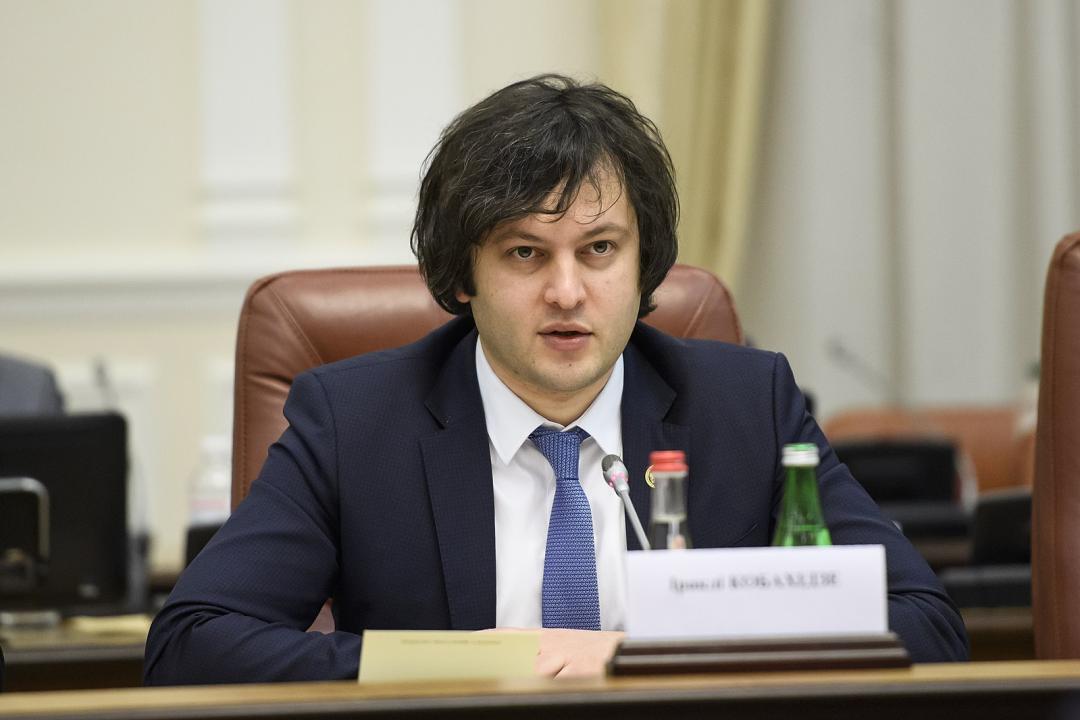
On January 22, Irakli Kobakhidze, the Georgian Dream Prime Minister, stated in a post on Facebook that public debates were essential for democracy and for enabling citizens to make political choices based on "proper analysis," while accusing "clandestine forces" and their "Georgian agents" of fostering a polarized media environment in the country. He emphasized that the authorities were obligated to correct what he described as an unhealthy situation and to restore to the Georgian people the right to one of democracy’s fundamental principles, debate, stressing that clandestine forces and their "Georgian" agents should not be allowed to impose their agenda.
"We are obliged to correct this unhealthy situation; we are obliged to return to the Georgian people the right to enjoy one of the fundamental principles of democracy – debate," Kobakhidze stated, adding that citizens should be able to hear the views of all political groups seeking power so that future choices could be made on the basis of "proper analysis". In the post, he described debates as a "discourse about the truth" and "one of the main pillars of democracy," underlining their societal value and calling them "one of the most distinct parts of European civilizations".
He stated that the situation in Europe had "gradually changed for the worse since 2008," attributing this shift to what he called the growing influence of the so-called "deep state," which he described as informal oligarchic rule. Kobakhidze stated that the establishment had promoted "rule by proxy" and "pseudo-liberal values," arguing that informal rulers had created artificial problems such as "LGBT and gender identity issues, ‘green politics’ and others," thereby diverting public attention from real challenges. According to him, this process resulted in the "total disappearance of healthy debates" from European politics.
He claimed that, particularly since 2020, well-known and highly rated debates on leading European media platforms had been repeatedly canceled, removing opportunities for public discussion and the expression of differing opinions. Turning to Georgia, Kobakhidze stated that a similar process had "partially affected" the country and had ended what he described as a long-standing tradition of political, economic, and social debates. He blamed Nika Gvaramia, a former head of Rustavi 2, the founder of Mtavari TV, and a jailed opposition figure, for what he described as the "total radicalization" of the media.
"Gvaramia successfully carried out the task – he established lies, insults, cursing, slander, and hysteria as the media standard," Kobakhidze stated, adding that this had created a "vitriolic media environment" that discouraged participation in debates. He emphasized that this situation had divided society and deprived it of the right to hear differing positions and make independent choices. Kobakhidze concluded that the unhealthy environment had to be corrected and that the Georgian people’s right to public debate had to be restored so they could make informed decisions.