
Mass Brawl Erupts Between Ingush and Ossetians in Chermen; North Ossetian Head Warns of Border Closures
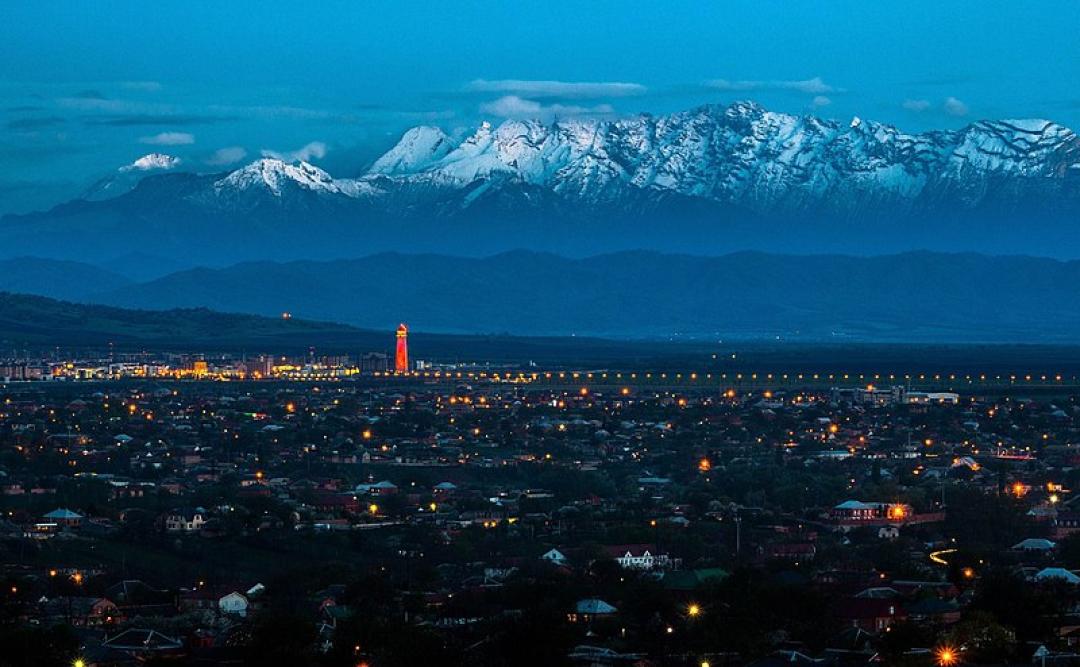
On August 24, a mass brawl between Ingush and Ossetians erupted in the North Ossetian village of Chermen following a domestic dispute. The incident occurred at the Chermen checkpoint on the administrative border between North Ossetia and Ingushetia and led to a full closure of traffic on the Kavkaz highway in both directions.
Law enforcement agencies stated that the clash was quickly resolved with the involvement of the police and the Russian National Guard. They emphasized that the situation was under control, and the post continued to be patrolled to prevent further provocations.
The conflict was triggered by two separate domestic incidents. In the first case, a young resident of Ingushetia assaulted an elderly resident of Ossetia. In another incident, four Ingush residents entered a store to purchase alcohol and, after a verbal altercation, attacked two Ossetian residents. The reports noted that, fearing retaliation, the Ingush participants called for reinforcements through "provocateur social media groups," and those who responded nearly engaged in a mass fight with Ossetians and law enforcement officers stationed at the Chermen Federal Checkpoint.
On August 25, Sergey Menyaylo, the Head of North Ossetia, announced that the republic’s border would be closed in the event of mass interethnic conflicts. During a staff meeting, Menyaylo stated that "there have been more frequent cases of domestic conflicts that can lead to interethnic conflicts." He emphasized that in such cases, "the [federal] republic's borders must be closed. We will sort things out ourselves inside the republic."
Notably, the origins of the Ingush–Ossetian conflict trace back to the Soviet era. In 1944, during the Stalinist purges, the Ingush were deported from their homeland in the Chechen-Ingush Autonomous Soviet Socialist Republic (ASSR). In 1957, when the Chechen-Ingush ASSR was re-established, the Prigorodny District was left under the control of North Ossetia, a decision that has been a point of contention ever since. In the early 1970s, Ingush protests in Grozny demanding the return of the Prigorodny District were suppressed, and the issue remained unresolved.
The situation escalated in October 1992, when armed clashes broke out between Ingush militias and North Ossetian forces, leading to significant casualties and the displacement of tens of thousands of Ingush civilians. The Russian military's intervention, which was perceived as favoring the Ossetians, further exacerbated the conflict. A peace agreement between the Republic of North Ossetia–Alania and the Ingush Republic was not signed until 2002, focusing on expanding social, economic, and cultural relations but failing to address the territorial dispute. Additionally, in August 2024, the North Ossetian Ministry of Construction proposed incorporating parts of Ingushetia's Dzheyrakhsky District into North Ossetia. This proposal faced strong opposition from Ingush authorities, who viewed it as an infringement on their territorial integrity.