
Mirzoyan Discusses Armenia’s Efforts to Evacuate Citizens, Alternative UAE–Oman Transit Route, And Rising Flight Costs Amid Airspace Closures
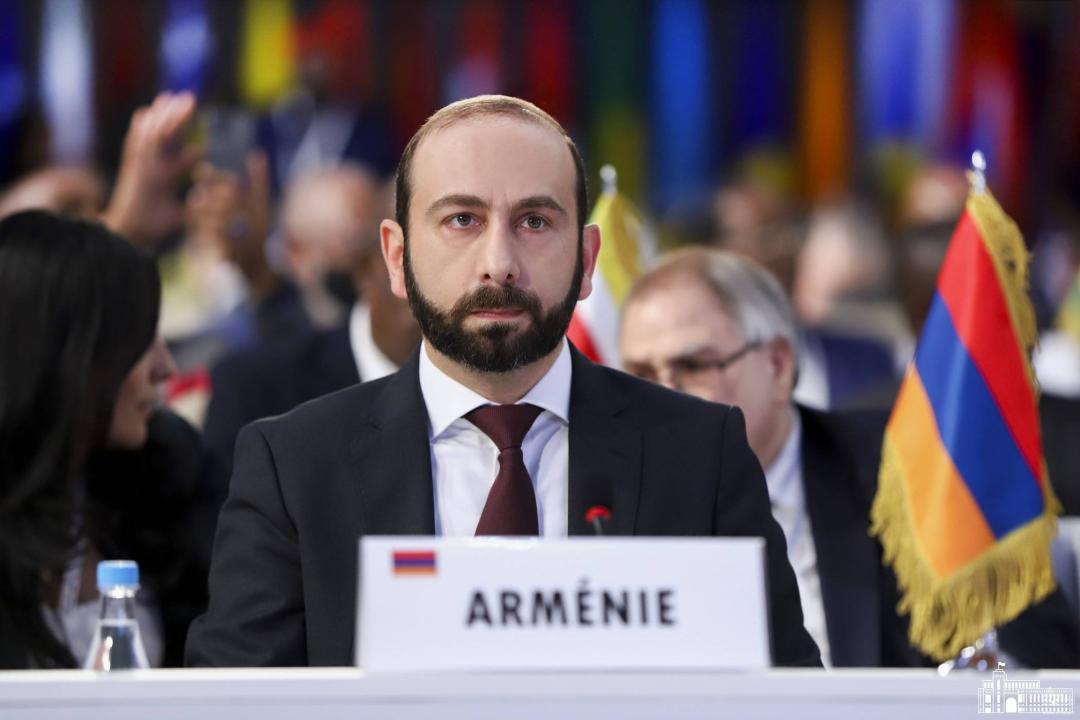
On March 4, Ararat Mirzoyan, the Minister of Foreign Affairs of the Republic of Armenia, participated in a question-and-answer session with the Government in the National Assembly. During the session, Julieta Azaryan asked about the impact of the situation in the Middle East on flights from Iran, Israel, and the United Arab Emirates, as well as the mechanisms for returning Armenian citizens. She inquired about the meaning of the "simplified" process, its current stage, and available statistics, along with the steps taken to ensure the return of compatriots.
Ararat Mirzoyan stated that following the escalation around Iran and the start of hostilities, Armenian embassies in the affected countries entered emergency mode. They established contact with citizens through hotlines and have been coordinating their safe return. He explained that most flights were canceled due to closed airspace. However, he highlighted that the United Arab Emirates shares a land border with Oman, which allowed the government to organize transportation for citizens from the UAE to Oman, where flights from Muscat to Yerevan have been arranged.
"The Ministry of Foreign Affairs organizes transport, ensures safe passage, coordinates formalities, obtains flight permissions, and negotiates with airlines," Mirzoyan emphasized. He noted that the government covers costs for transportation from the UAE to Oman. As of March 4, 110 citizens had returned, with additional flights scheduled in the following days. Some flights from Dubai and Abu Dhabi may also resume.
Mirzoyan provided an overview of citizens in other countries: two in Oman chose not to return; two from the Far East arrived in Oman and have returned; 15 in Israel are in contact and wish to return; 17 in Kuwait are awaiting feasible options; citizens in Doha are accommodated with hotels and food, including two requiring medication delivered by the embassy; a group in Lebanon has returned with embassy support; one citizen in Vietnam, holding permanent residence in Bahrain, does not wish to return; 117 in India, attending the Sevan Startup Summit, are being assisted; and one citizen is in Sri Lanka. He stressed that contact has been maintained with all citizens, and efforts continue where feasible despite closed flight zones.
In response to a remark about press reports stating citizens might pay up to $1,400 to reach Yerevan, Mirzoyan clarified that the government covers transportation costs to Muscat, including bus transport from Dubai to the airport. The remaining expenses depend on private airlines. He noted that flight costs have increased due to longer routes and operational limitations. "For example, one flight may cost $170,000, which, divided among 200 citizens, represents a significant cost," he stated.
He also addressed criticism about financial burdens on citizens. "Many who traveled, for instance to Sri Lanka, went for tourism and are financially capable of buying tickets themselves. We focus on those with urgent needs such as medication or housing," Mirzoyan emphasized, confirming that assistance is tailored to each citizen’s situation.