
Putin Acknowledges Challenges in Russia-Azerbaijan Relations
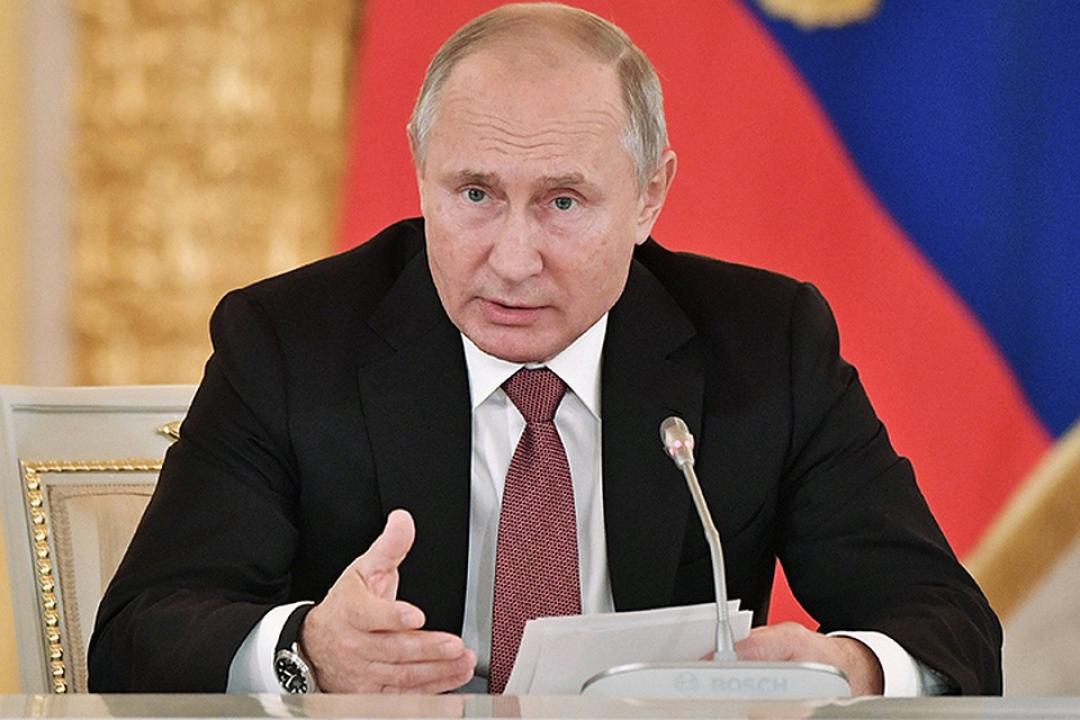
Following his visit to China on September 3, Russian President Vladimir Putin acknowledged challenges in Russia-Azerbaijan relations while emphasizing their fundamental ties. Meanwhile, Russian officials clarified that his handshake with President Ilham Aliyev was a diplomatic courtesy without any substantive discussion.
Answering journalists’ questions after his visit, Putin admitted that Moscow faced challenges in its relations with Baku. "Today, President Aliyev and I exchanged greetings. I greeted him and his wife," he stated. Commenting further, Putin noted that "in relations between countries, questions and problems always arise based on the current political situation." However, he expressed confidence that "the fundamental relations between Azerbaijan and Russia and our mutual interest in their development will eventually put everything in its place."
Konstantin Zatulin, First Deputy Chairman of the State Duma Committee on CIS Affairs, Eurasian Integration, and Relations with Compatriots, stated that the handshake between Russian President Vladimir Putin and Azerbaijani President Ilham Aliyev was an act of normal diplomatic courtesy. During his remarks, Zatulin emphasized, "I cannot imagine that during the international summit of the Shanghai Cooperation Organization (SCO), upon seeing Aliyev, Putin would cross the street or, say, turn away and not shake his hand. Of course, there is protocol." He recalled that Putin had also shaken hands with Aliyev at the World War II parade in Beijing, despite Aliyev’s recent critical statements about Russia.
Dmitry Peskov, the Russian Presidential Press Secretary, stated that there was no substantive communication between Putin and Aliyev in Beijing, stressing, "there was no substantive communication this time."