
Russia Refuses ECHR Compensation to Georgia; Separatist South Ossetia Criticizes European Courts and OSCE Remarks
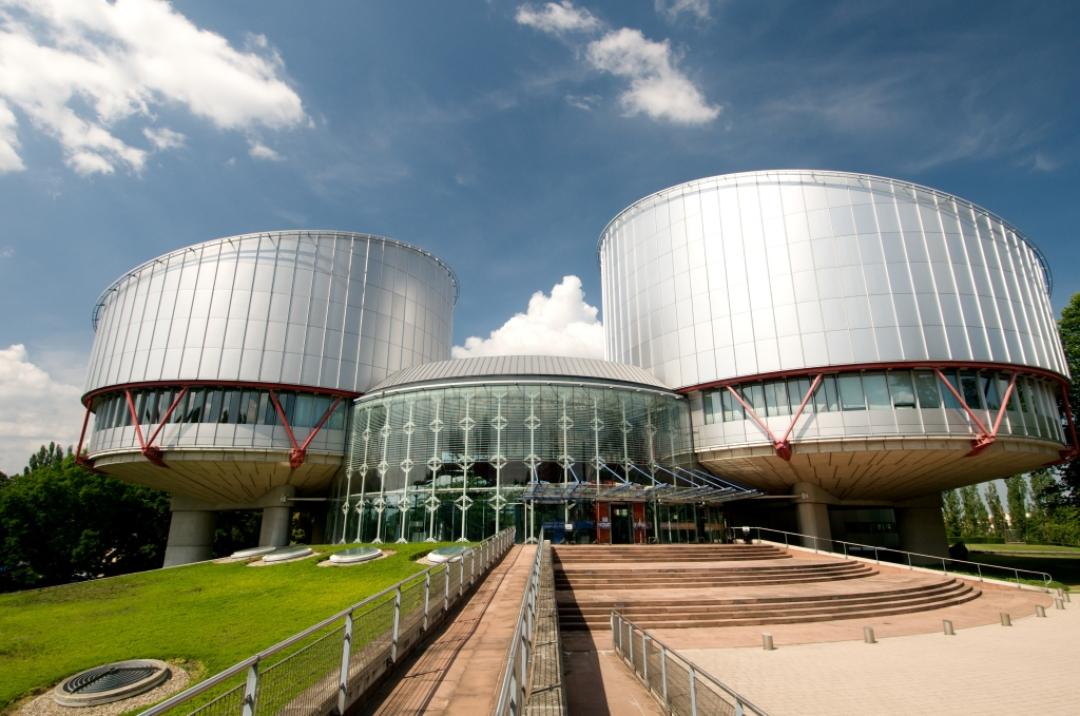
On October 15, tensions flared in the South Caucasus as Dmitry Peskov rejected the ECHR compensation ruling in favor of Georgia, while South Ossetia’s Foreign Ministry sharply criticized OSCE Chairperson Elina Valtonen’s comments, denounced European courts for bias, and underscored that regional security depends on deepening cooperation with Russia.
Dmitry Peskov, the Russian Presidential Press Secretary, stated that Russia would not pay compensation to Georgia in accordance with the ruling of the European Court of Human Rights (ECHR). During a briefing, Peskov emphasized, "We will not implement the decision". When asked whether the payment could improve relations between Moscow and Tbilisi, he responded that "that’s a separate issue".
In response to remarks made by Elina Valtonen, the OSCE Chairperson-in-Office and Finnish Foreign Minister, regarding "resolute support for Georgia’s sovereignty and territorial integrity," the de-facto South Ossetian Foreign Ministry issued a statement describing her words as inappropriate and populist. The ministry noted that the head of an organization involved in Transcaucasian security discussions since October 2008, and which previously mediated the Georgian-Ossetian conflict with often "unconstructive approaches," should have been "more diplomatic, at least on the eve of the next round of discussions". Addressing the EU Monitoring Mission, the separatist Tskhinvali criticized its activities, asserting that their "excellent work" frequently resulted in violations of the "state border of South Ossetia," which it described as "absolutely unacceptable" and a "destabilizing factor". The ministry lamented that representatives of "a once-authoritative organization, instead of acknowledging the reality and existence of the Republic of South Ossetia, year after year repeat phrases from a manual they themselves do not truly believe in". It added that the decisions taken by Russian leadership after the August 2008 "peace enforcement operation against the aggressor" were "irrevocable" and had been "repeatedly emphasized by the Russian side". The de-facto South Ossetian Foreign Ministry further stressed that bilateral relations between South Ossetia and Russia were built on "a solid contractual basis in accordance with international law," including the presence of Russian military personnel on South Ossetian territory. Tskhinvali called on the OSCE and other international organizations to focus on "substantive discussions of pressing regional issues" instead of "screaming over the fence," urging them to prioritize security guarantees for South Ossetia and Abkhazia from Georgia.
Commenting on the recent ECHR ruling, the South Ossetian Foreign Ministry condemned the court’s decision as biased, calling the ECHR a "discredited" body for upholding Georgia’s claim against Russia and awarding €253 million in compensation for alleged human rights violations related to the 2008 conflict. Tskhinvali described the judgment as "extremely biased and politicized," saying it "fully reflects the ‘level of justice’ of this organization and demonstrates the true face of Europe". The ministry recalled that by rejecting applications from South Ossetian citizens in 2021, "the European tribunal signed off on its absolute incompetence," thereby violating the rights of "thousands of South Ossetian residents—victims of Georgian aggression—who, apparently, are considered second-class citizens by ‘enlightened Europe’". It further stated that Europe’s "double standards, segregation, and discrimination" only led to "greater tragedies and their repetition," adding that "history, and particularly the history of Europe itself, has taught Europeans nothing". Concluding its statement, Tskhinvali emphasized that, given the conduct of European institutions, the key to South Ossetia’s secure development lay in "strengthening its statehood" and deepening cooperation with friendly nations—chiefly the Russian Federation, described as "the guarantor of peace and stability in the region".