
Separatist Abkhazia Expresses Solidarity and Support to Venezuela
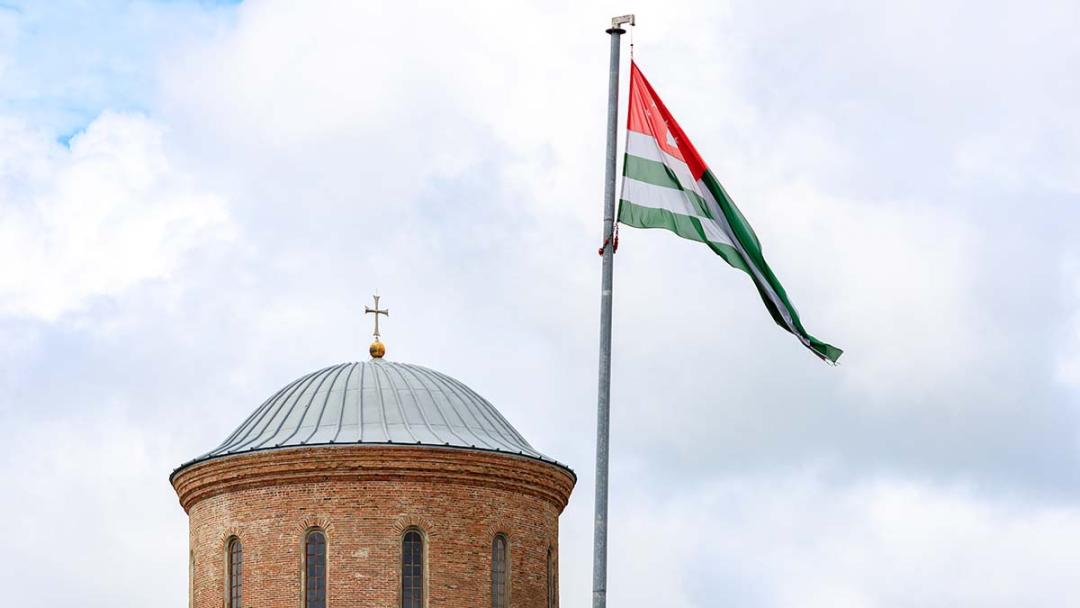
On October 24, the de-facto Abkhazian Foreign Ministry sent a diplomatic note to the Venezuelan Foreign Ministry, expressing solidarity and unconditional support for the leadership of the Bolivarian Republic of Venezuela. In the statement, the ministry emphasized its opposition to "threats of force and attempts at armed intervention against sovereign states," stressing that such actions violated "the fundamental principles and norms of international law and the UN Charter" and should not serve as tools of foreign policy.
Sukhumi conveyed that the government and people of Abkhazia "share and support the constructive work of the leadership of the Bolivarian Republic of Venezuela, aimed at building a dignified and lasting peace based on respect for the independence and sovereignty of peoples and their right to independent development". The ministry further reiterated its "solidarity and unconditional support for the leadership of the Bolivarian Republic of Venezuela," adding that "neither military threats nor the colossal political pressure exerted from outside are capable of breaking the most important thing—the steadfastness and fortitude of the Venezuelan people".
Recently, the U.S. has intensified its military presence in the Caribbean, deploying warships, fighter jets, and surveillance aircraft near Venezuelan waters. This buildup includes the USS Gerald R. Ford aircraft carrier and the USS Gravely warship, which recently docked in Trinidad and Tobago for joint exercises with the Trinidadian military. While the U.S. frames these operations as part of an anti-drug campaign targeting groups like Venezuela's Tren de Aragua, Venezuelan officials view them as provocative and potentially leading to military conflict. In response, Venezuela has conducted its own military drills and mobilized its Bolivarian Militia, comprising over four million personnel, to demonstrate readiness and deter perceived threats. President Nicolás Maduro has accused the U.S. of fabricating a war against his government, citing the deployment of the USS Gerald R. Ford as evidence of an impending military escalation.
Notably, the separatist Abkhazia and Venezuela established diplomatic relations in 2009, following Venezuela's recognition of Abkhazia's independence. This recognition was part of a broader alignment with Russia and was announced by Venezuelan President Hugo Chávez during a visit to Moscow. Chávez's decision was influenced by his desire to strengthen ties with Russia and support its stance on the independence of Abkhazia and South Ossetia. In 2010, the two entities formalized their diplomatic relations at the ambassadorial level. Venezuela appointed Juan Vicente Paredes Torrealba as its ambassador to Abkhazia, and Abkhazia established its first diplomatic mission in the Americas in Caracas. Abkhazia maintains a diplomatic presence in Venezuela, with its embassy in Caracas serving as a key platform for engagement in Latin America.