
Israel’s War on Iran and its Impact on the South Caucasus
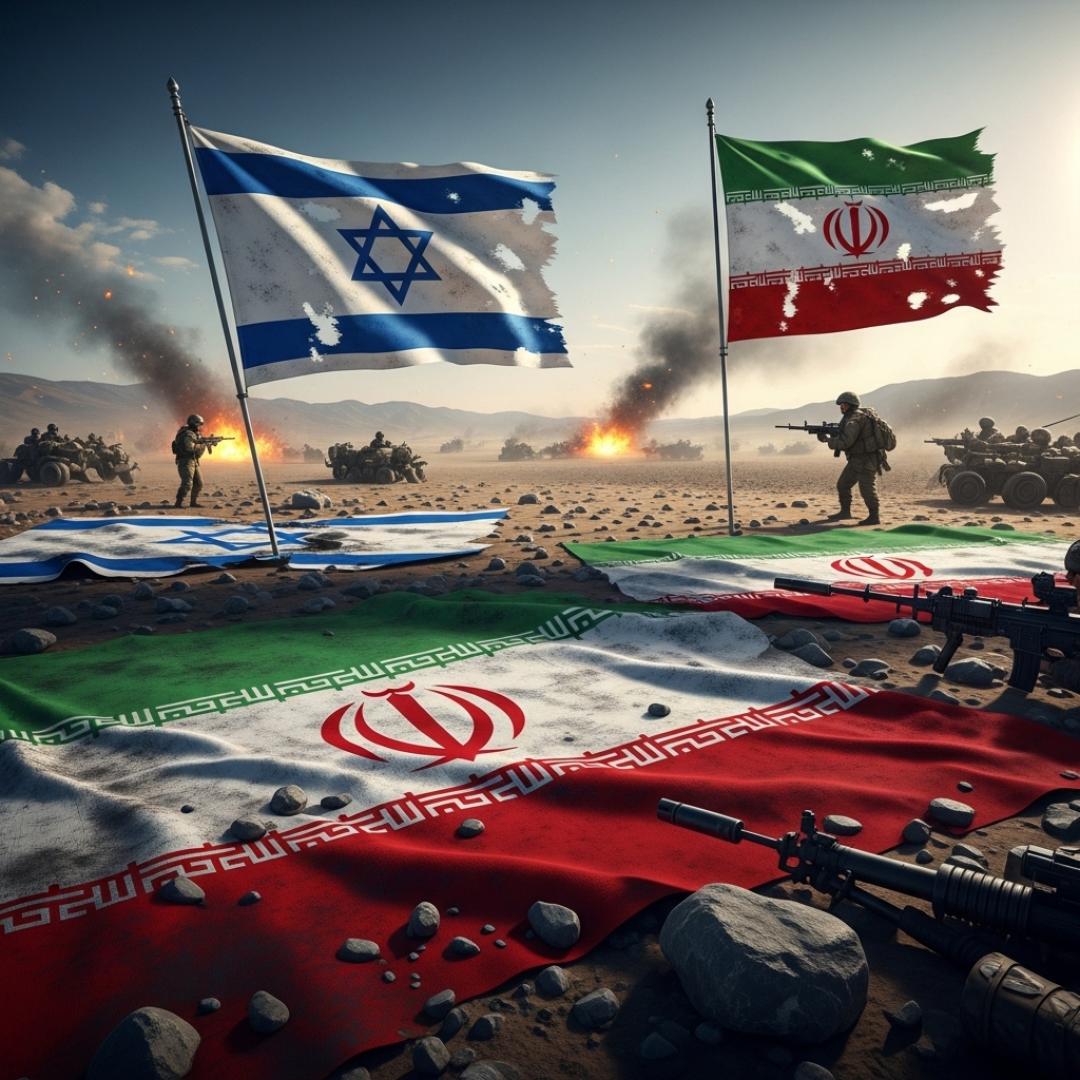
Given the intensity of the recent military confrontation between Iran and Israel, Tehran's influence in the South Caucasus could experience fundamental changes. The short war between the Islamic Republic and Israel/United States has underscored the shifting balance of power in the Middle East, with Israel now emerging as the dominant military force in the region. The relative weakening of Iranian power is set to impact its neighbors, and the South Caucasus region has been particularly vulnerable to geopolitical reverberations from instability in the Middle East.
One of the possible repercussions is the impact on the ongoing negotiation process between Armenia and Azerbaijan. Given the fragile nature of the talks and Baku’s far more powerful position vis-à-vis Armenia, Iran’s more retrenched posture could further embolden Azerbaijan regarding the opening of the Zangezur corridor, a move opposed by the Armenian side. For the moment, however, there is no evident shift in Azerbaijan’s posture indicating that it might encroach on Armenia’s territory. Baku is pragmatic and understands that such a move would kill the ongoing peace process with Yerevan. Furthermore, a forceful solution to the Zangezur corridor issue would destroy the good relations Baku has cultivated with Tehran, which is highly interested in preserving the existing balance of power in the South Caucasus.
Indeed, relations between Iran and Azerbaijan have been improving over the past year, with a series of moves effectively completing this enhancement. On May 21, Iran announced it had executed the man accused of carrying out a deadly attack on the Azerbaijani embassy in early 2023. At the same time, the two nations held massive bilateral military drills dubbed Araz-2025. In April, Iranian President Masoud Pezeshkian visited Baku to elevate bilateral ties, with Azerbaijani President Ilham Aliyev stating, “Our goal, our primary goal is to raise Azerbaijani-Iranian interstate relations to a higher level”. Nevertheless, the war between Israel and Iran has caused some friction; for instance, the Iranian ambassador to Armenia claimed Azerbaijan’s territory might have been used for attacking Iran, an allegation the Iranian president asked his Azerbaijani colleague to investigate. Despite this, Azerbaijan is unlikely to prematurely use the crisis and will instead wait for a more complete picture of how events develop. Baku also understands that even if Tehran is forced to concede on the nuclear issue, it remains a powerful actor capable of intervening in a potential conflict between Armenia and Azerbaijan.
The Russian factor also plays a crucial role. Moscow does not want to see a powerful Azerbaijan, strongly allied to Turkey, emerge to its south at a time of a much-weakened Iran. Under these circumstances, Russia is expected to be the first to oppose any major territorial shifts in the South Caucasus. This position is bolstered by improving relations between Yerevan and Moscow, and a difficult period in Russia's own relationship with Azerbaijan. While Baku and Moscow will remain pragmatic, their foreign policy agendas will likely grow more divergent.
Other regional actors also prefer stability. Like Russia, Armenia does not want to see a weakened Iran, which serves as an important balancer to the Azerbaijani-Turkish axis. Any diminution of Iranian power would lead to a proportional increase in the influence of that axis, a reality much feared by Yerevan. Georgia, too, does not want to see tectonic changes in Iran’s posture, as it would upend the fragile balance of power in the region. At a time when Tbilisi’s foreign policy is shifting from an exclusively pro-Western approach to a “multi-vector” one, radical changes in the regional balance could disrupt this transition.
Looking ahead, the long-term weakening of Iran could cause an erosion of its influence in the South Caucasus. In that scenario, Azerbaijan would surely have greater room to force Armenia into opening the Zangezur corridor through Syunik. This outcome would greatly disadvantage Russia, as waning Iranian influence would inevitably lead to the growth of Turkish-Azerbaijani positions. Moreover, Russia fears that a decline in Iranian power would lead to growing influence for Israel and the United States in the region. Washington’s and Tel-Aviv’s relations with Baku have been particularly cooperative over the past months, especially as the idea of incorporating Azerbaijan into the Abraham Accords was floated. It is no wonder, therefore, that Moscow will remain highly interested in propping up the Islamic Republic; instability in Iran would negatively affect the South Caucasus, and Russia, while still heavily preoccupied with its war in Ukraine, does not want to see another of its neighborhoods undergo a geopolitical crisis.
Emil Avdaliani is a research fellow at the Turan Research Center and a professor of international relations at the European University in Tbilisi, Georgia. His research focuses on the history of silk roads and the interests of great powers in the Middle East and the Caucasus.