
Russia-Armenia Relations – Into Pragmatic Recalibration
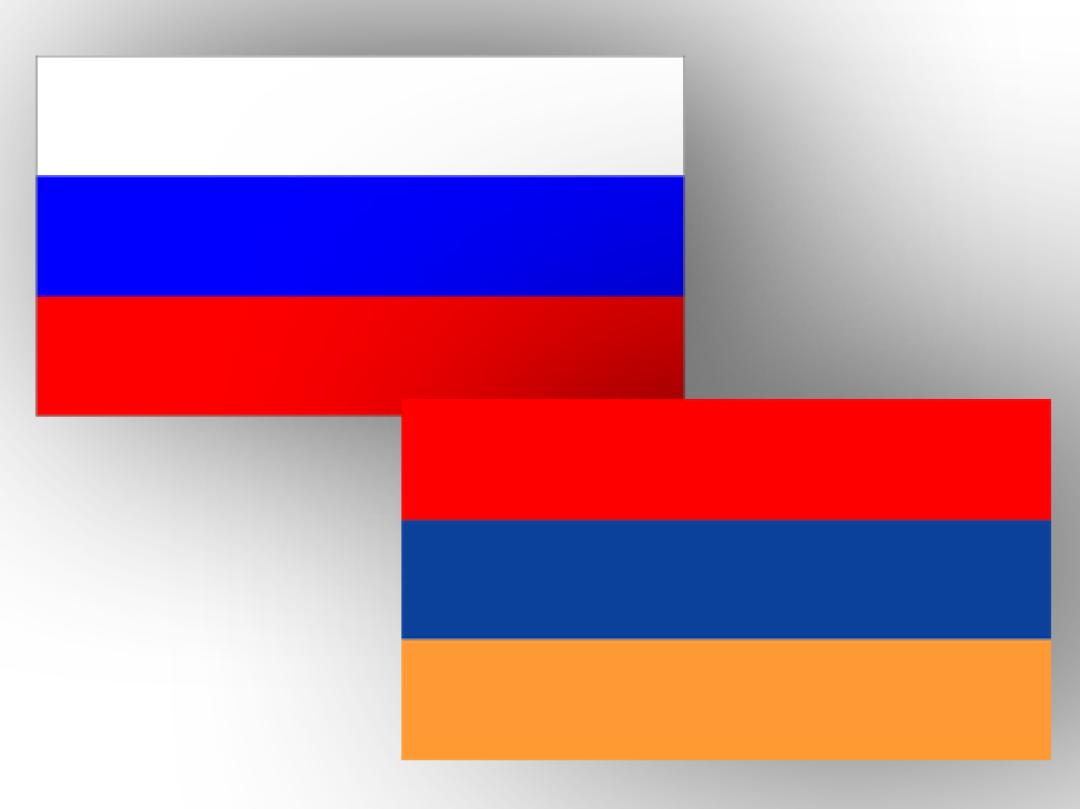
Russia's relations with Armenia have somewhat improved over the past months. Constraints still remain, but it is clear that Moscow and Yerevan have managed to move beyond the crisis which beset their traditionally close ties. In recent months, after a hiatus of nearly two years, the bilateral relationship between Armenia and Russia has finally settled into a cautious but nevertheless increasingly functional mode. Both sides have signaled their desire to preserve close ties, which seems to be a deliberate recalibration. Russia continues to value Armenia as its key foothold in the South Caucasus region, not simply militarily but in terms of regional diplomacy and the projection of geopolitical influence. For Armenia, Russia remains a necessary partner given still lingering military-technical cooperation, energy links, and economic ties. The Armenian leadership continues to affirm that it does not seek a breakdown in relations. For instance, Prime Minister Nikol Pashinyan stated in June 2025 that Armenia does not set itself the task of breaking off relations with Russia and considers its foreign policy a balanced one.
Nevertheless, strategic trust between the two sides has eroded. Alongside this trend, Armenia-Russia trade reportedly hit record levels in 2024, and Armenia remains heavily dependent for energy supply from Russia. This provides Moscow with continuing leverage, and Yerevan knows that abandoning this link would be costly. The Russian side too emphasizes continuity. in June 2025, the Russian parliamentarian Valentina Matviyenko declared that Russia-Armenia relations are not experiencing a crisis of trust and affirmed readiness to deepen cooperation. Armenia indeed remains formally part of the Collective Security Treaty Organisation (CSTO) and still hosts a massive Russian military base in Gyumri. Yet Yerevan’s participation is increasingly selective as it froze its engagement within CSTO and at times even questioned whether the country should remain a member state within the organization. At the same time, Armenia seems to be content with its membership in the Eurasian Economic Union (EAEU). The crux of the problem is that Armenia no longer views Russia as a reliable security guarantor. The 2020 war and the subsequent fall of the Nagorno-Karabakh entity in September 2023 widened the differences.
As a result, Armenia has embarked on active diversification of its foreign policy. It also diversified arms procurement. India and France have become Armenia’s key arms suppliers, and Yerevan expanded its ties with the EU, signed multiple strategic partnerships, among them with the United States. Yet, energy dependence on Russia, remittances, and trade flows from Russia create major leverage for Moscow to use and keep Armenia closer. Nevertheless, Armenia’s Western engagement and foreign policy diversification efforts steadily erode Russia’s position in Armenia and the South Caucasus overall. Relatedly, for external actors (EU, US, Iran, Turkey) the Russia–Armenia dynamic matters: Western countries must acknowledge that Armenia remains closely linked to Russia and cannot be treated as one willing to completely break off its ties with Moscow. The latter, for its part, cannot rely on Armenia’s unconditional alignment and has to adapt to a regional partner that is hedging and diversifying its partnerships. Russia will thus have to reposition itself to better formulate its approach toward Armenia and the South Caucasus at large.
While attention in Moscow is mostly drawn to what the Western countries would do in relation to Armenia, it is Turkey and China which might seize the moment. Yerevan’s engagement with Ankara has notably increased over the past two years, and as Armenia-Azerbaijan peace talks progress, Turkey will be increasingly open to the full restoration of ties with Armenia. The latter has also advanced its ties with China to a level of strategic partnership. This is notable since Beijing had only had this kind of arrangement with Tbilisi and Baku. This multiplication of Yerevan’s partnerships dilutes the dependence it had on Moscow, and the latter will have to become more creative in its approach to the South Caucasus country.
In the near term, the Russia-Armenia relationship is likely to maintain its working level, involving diplomatic consultations, economic-trade ties, and cooperation in the nuclear as well as defense-technical areas. New initiatives such as a formal upgrade of the military alliance, sweeping Russian security guarantees, or Armenia fully exiting the CSTO are unlikely to take place. The lingering distrust and Russia’s preoccupation with the war in Ukraine make such changes highly unlikely. In short, Russia and Armenia are back talking, working together, but with clear limits and a wary eye on each other.
In the longer run, though, the dilemma for Armenia is that it cannot fully remain aligned with Russia while also expanding ties to Europe or pursuing independent security initiatives without generating friction in bilateral relations. There are limits to how far Yerevan can cooperate with the Western countries, and Moscow knows it. Should a definitive move toward the EU take place, Russia still wields a plethora of tools to reverse Yerevan’s behavior, meaning that Moscow’s influence is not in irreversible decline but rather Russia is slowly adjusting itself to a new reality in the South Caucasus.
About the author: Emil Avdaliani is a professor of international relations at the European University in Tbilisi, Georgia, and a scholar of Silk Roads.
Insights,
Politics,
Armenia |
Russia, Nikol Pashinyan, CSTO, Armenia-Russia Relations, EAEU, Gyumri, Emil Avdaliani